Photo via Inc.
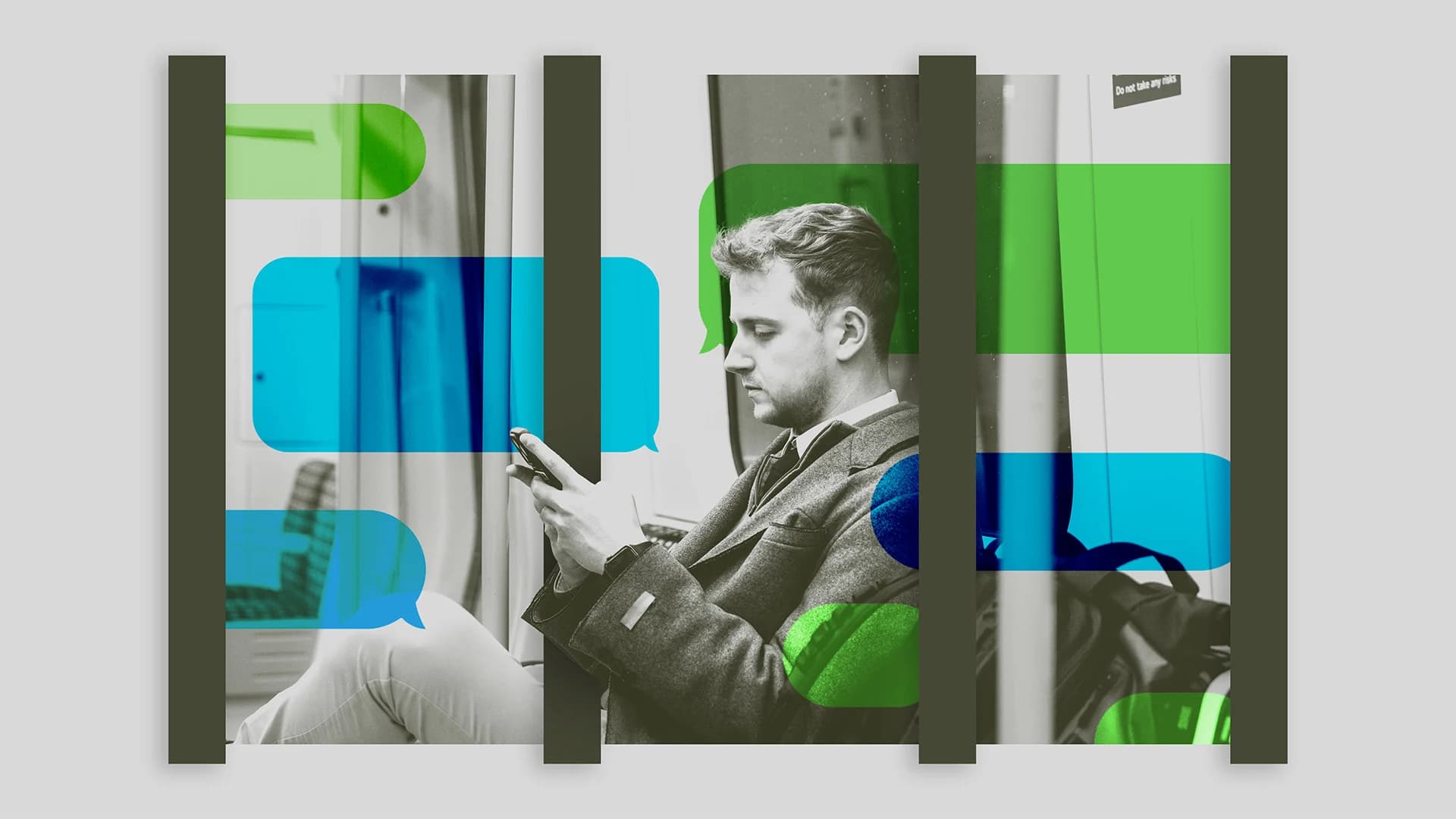
A growing number of professionals are turning to artificial intelligence chatbots as a quick fix for workplace isolation and loneliness. According to recent research cited by Inc., this strategy may backfire. Scientists studying human-AI interactions have found that relying on chatbot conversations can actually deepen feelings of loneliness rather than alleviate them, presenting a cautionary tale for the Charlotte business community as companies increasingly adopt AI tools.
The research suggests that while AI conversations feel convenient and judgment-free, they lack the genuine reciprocity and emotional depth of human connection. For Charlotte's knowledge workers and entrepreneurs juggling demanding schedules, the appeal of an always-available digital companion is understandable. However, experts warn that substituting real relationships with AI interactions may create a false sense of connection that ultimately leaves users feeling more isolated.
The findings carry implications for local employers considering AI-driven employee wellness programs. Charlotte-area businesses investing in mental health initiatives should recognize that technology cannot fully replace human interaction and community building. Human Resources leaders may need to balance digital tools with in-person engagement strategies, mentorship programs, and team-building activities that foster authentic workplace relationships.
As Charlotte's business landscape becomes increasingly digital, professionals should be intentional about maintaining meaningful human connections. While AI tools have legitimate business applications, relying on them for emotional support may create a productivity paradox—appearing efficient while diminishing the very wellness outcomes employers seek to achieve.