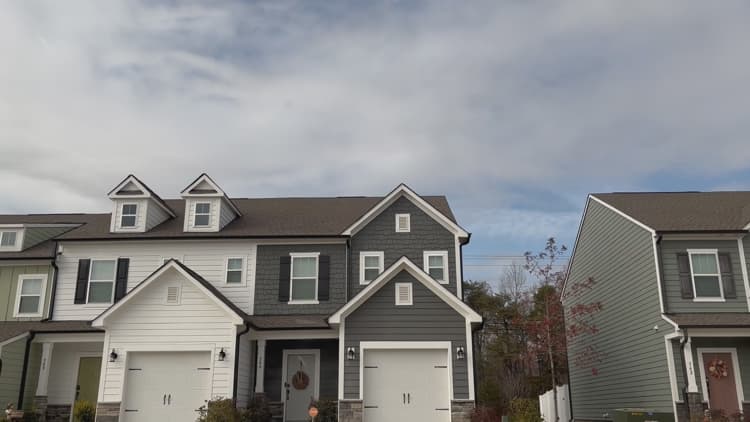
Photo via Fortune
The affordable housing crisis has put first-time homebuyers in an increasingly tight spot, particularly across the Southeast where Charlotte's real estate market has seen rapid price appreciation. According to Fortune, Better.com CEO Vishal Garg argues that the starter home market faces an existential threat—and that artificial intelligence may be the only viable solution to keep it alive. The challenge stems from a fundamental economics problem: traditional loan officers find it unprofitable to service mortgages on lower-priced properties, leaving first-time buyers stranded.
Garg's thesis centers on automation and efficiency gains. By deploying AI to handle underwriting, processing, and customer service tasks that traditionally required human loan officers, lenders can reduce operational costs significantly enough to make smaller mortgages pencil out financially. For Charlotte-area borrowers seeking entry-level properties in neighborhoods like South End or Ballantyne, this shift could determine whether homeownership remains accessible to young professionals and growing families.
The broader implications matter for regional economic health. Starter homes have historically served as wealth-building engines for working families and have fueled demand for local services, schools, and community development. When that rung on the housing ladder disappears, it restricts mobility and can concentrate homeownership among higher-income households, reshaping Charlotte's demographic and economic landscape.
As the real estate technology sector continues evolving, Charlotte developers and lenders should monitor how AI-powered financing models reshape the market. The success or failure of these approaches could determine whether the next generation of Queen City residents can afford to buy their first home locally, or whether affordability pressures force them elsewhere.