Photo via Fast Company
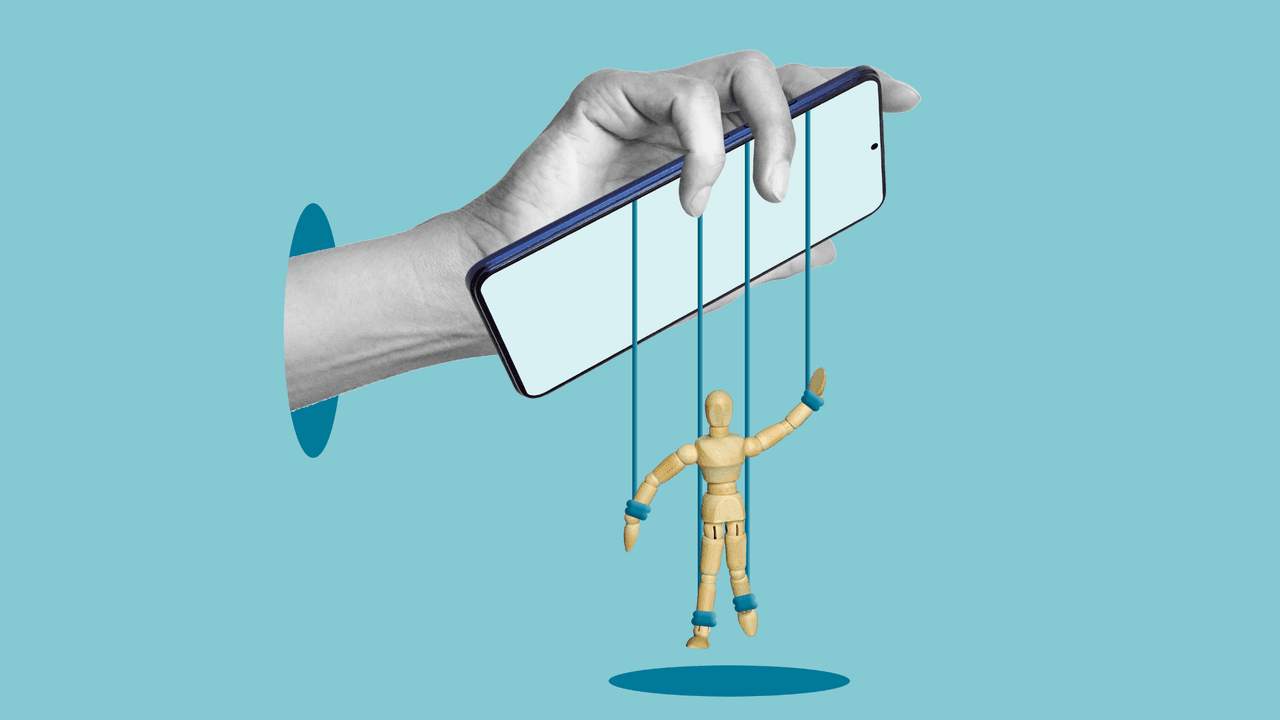
The rise of artificial intelligence-powered social media personalities represents a fundamental shift in how brands connect with audiences. According to Fast Company, what began as satire in 1985 with the character Max Headroom—designed to critique consumer culture—has evolved into a multi-billion-dollar industry. Today's AI influencers secure long-term partnerships with major brands, post content around the clock, and maintain perfectly consistent messaging without the complications of managing human talent. For Charlotte-area businesses competing in digital marketing, this trend signals a reshaping of the influencer economy that demands immediate strategic attention.
The appeal of synthetic influencers lies in their engineered reliability. Unlike human creators, AI personalities don't experience off days, make public missteps, or demand negotiated compensation packages. They deliver predictable, scalable presence while generating the emotional resonance audiences crave. The case of Lil Miquela—a fully computer-generated Instagram personality who amassed one million followers by 2016—demonstrated that audiences will engage authentically with synthetic figures if the experience feels genuine. For Charlotte brands considering influencer partnerships, the economic calculus increasingly favors digital personas over traditional human ambassadors.
Beyond marketing applications, the implications extend into political messaging and audience manipulation at scale. When audiences no longer question the authenticity of the voices influencing them, the dynamics of persuasion fundamentally change. This matters particularly for Charlotte businesses navigating consumer trust and brand reputation in an environment where synthetic messaging can feel indistinguishable from genuine human communication. The dissolution of visible artificiality means consumers may never recognize they're interacting with coded algorithms rather than authentic personalities.
For Charlotte's business community, the emergence of AI influencers presents both opportunity and risk. Companies that understand and strategically deploy synthetic personalities could gain competitive advantage, but those unprepared for a marketplace flooded with flawless, tireless digital personas may find their human-driven marketing efforts undervalued. The question isn't whether AI influencers will reshape the industry—they already are. The question is whether local marketers will proactively adapt their strategies or find themselves outmaneuvered by technology they failed to anticipate.