Photo via Fortune
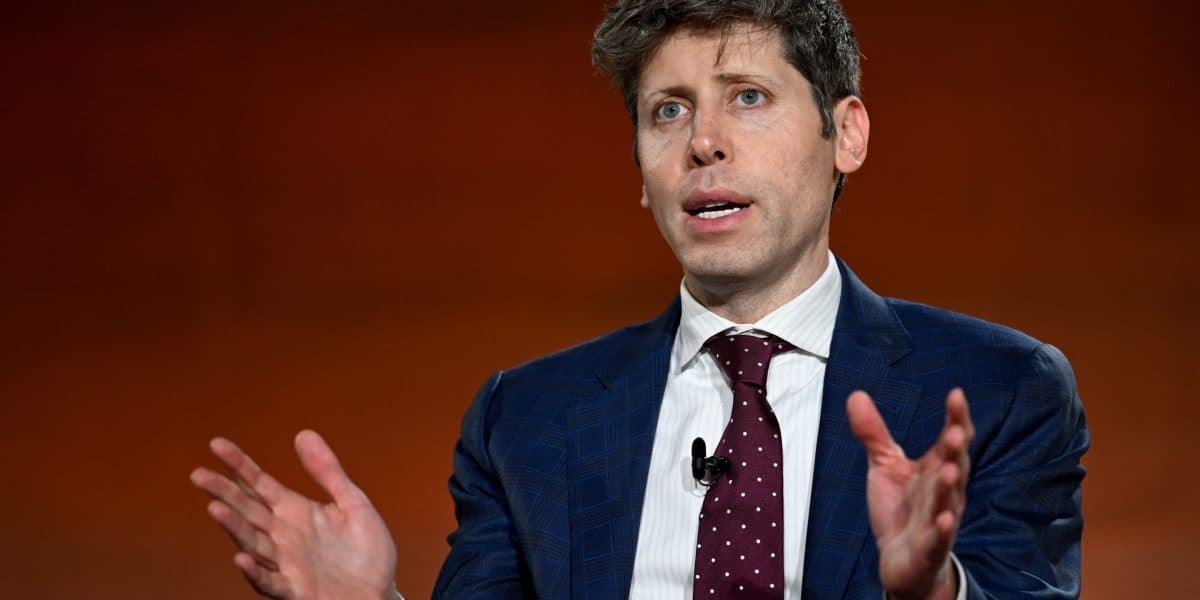
According to Fortune, two of artificial intelligence's most prominent voices are moderating their previous warnings about widespread job displacement in the corporate sector. Sam Altman of OpenAI and Dario Amodei of Anthropic—both companies pursuing significant capital raises—have shifted their public messaging on how AI will impact employment, particularly among knowledge workers.
The timing of this rhetorical shift coincides with both companies' preparations for major funding announcements and potential future IPOs. By tempering apocalyptic narratives about AI-driven job losses, the executives appear to be addressing investor and stakeholder concerns about economic disruption. Altman has stated he would be 'delighted to be wrong' about previous dire forecasts, suggesting a more nuanced view of AI's labor market effects.
Industry observers point to executives like Goldman Sachs CEO David Solomon and Box CEO Aaron Levie, who have long argued against the 'white-collar wipeout' thesis. These voices contend that AI will augment rather than eliminate many professional roles, creating new opportunities alongside workforce transitions. For Charlotte's growing tech sector and financial services hub, this debate carries direct relevance.
As AI adoption accelerates across industries—from finance to manufacturing—local business leaders should monitor how these narratives shape both AI investment and workforce development strategies. The distinction between job displacement and job transformation will likely influence hiring patterns, skills training investments, and competitive positioning among Queen City employers navigating the AI era.