Photo via Inc.
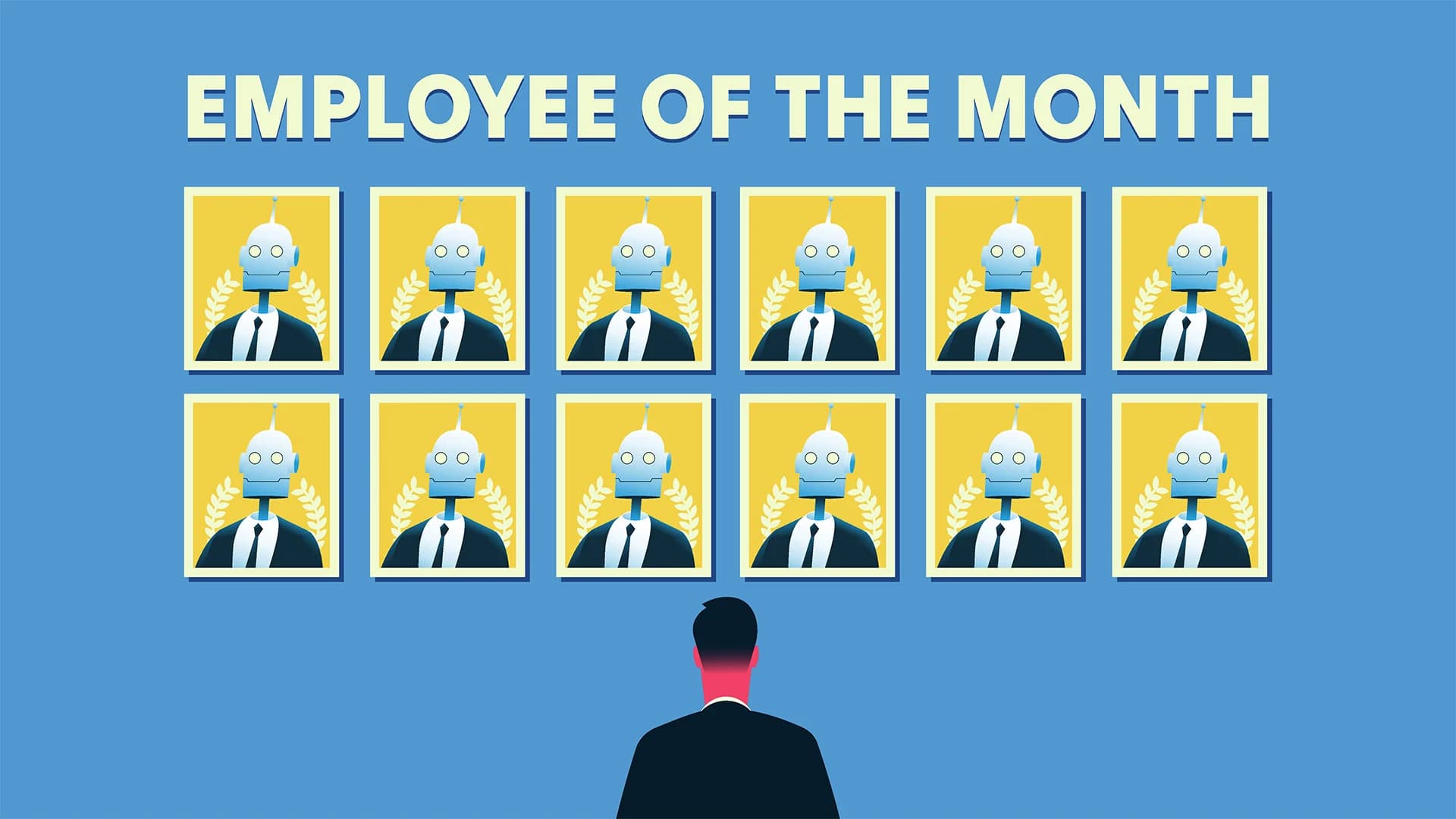
Leading artificial intelligence executives, including OpenAI CEO Sam Altman and Anthropic's leadership, are revising earlier warnings about mass layoffs driven by AI automation. According to recent reporting from Inc., new data and public statements from prominent AI developers suggest the feared wave of job destruction may not materialize as quickly—or as severely—as previously predicted. This shift comes as companies across industries, including those in the Charlotte region, reassess how AI adoption will reshape their workforce strategies.
The reassessment reflects a growing understanding that AI implementation in the workplace is more nuanced than simple job replacement. Rather than wholesale elimination of positions, employers are finding that AI tools augment existing roles and create new categories of work. For Charlotte's diverse business landscape—spanning financial services, manufacturing, healthcare, and tech startups—this suggests opportunities to leverage AI without the catastrophic employment scenarios some feared.
The revised outlook carries implications for local workforce development and talent retention. Charlotte-area companies investing in AI capabilities may focus less on downsizing and more on reskilling employees to work alongside automated systems. Educational institutions and training programs in the region could adjust their curriculum priorities accordingly, preparing workers for roles that emphasize human judgment, creativity, and complex problem-solving alongside AI tools.
While the immediate crisis appears less severe, caution remains warranted. Altman and other executives note that significant disruption could still emerge as technology matures. For Charlotte business leaders, the current moment offers an opportunity to develop thoughtful AI adoption strategies that prioritize workforce transition planning and skills development, positioning the region competitively as the technology landscape continues evolving.