Photo via Entrepreneur
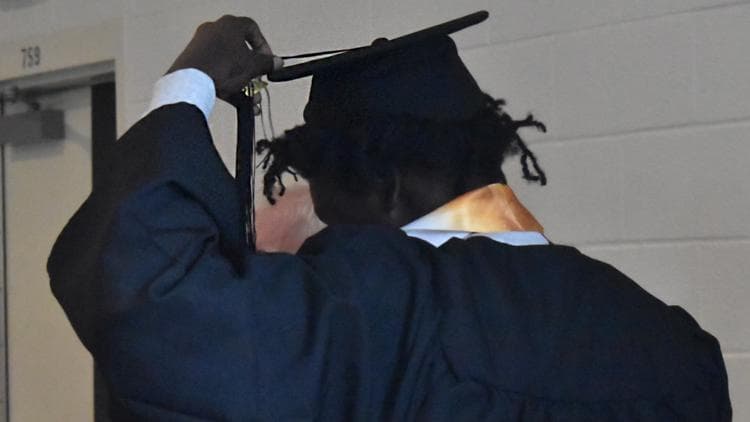
When a speaker took the podium at a recent graduation ceremony to highlight artificial intelligence's potential, the audience's cold reaction served as a stark reminder of anxieties rippling through the workforce. According to Entrepreneur, the disconnect between technological enthusiasm and audience sentiment revealed a troubling gap in how business leaders and job seekers view AI's role in the future. For Charlotte-area companies eager to attract top talent, this reaction signals a need to address workforce concerns directly and transparently.
The underlying tension stems from legitimate concerns about job displacement in an already competitive labor market. Young professionals entering the workforce are acutely aware that AI capabilities are advancing rapidly, and many worry about their career prospects before they've even begun. Charlotte's diverse economy—spanning finance, healthcare, retail, and manufacturing—means AI adoption will reshape multiple industries simultaneously, potentially amplifying these fears among recent graduates seeking entry-level positions.
Business leaders and educators face a critical challenge: how to communicate about AI's transformative potential without dismissing real fears about workforce disruption. Rather than praising AI in isolation, Charlotte executives might focus on how technology creates new roles, requires new skills, and demands human expertise in oversight and strategy. This reframing could help bridge the gap between innovation enthusiasm and workforce anxiety.
For Charlotte's business community, the takeaway is clear: engaging transparently with employees and job candidates about AI's impact—including both opportunities and disruptions—will be essential for building trust and attracting talent. Companies that address these concerns head-on, invest in reskilling programs, and communicate a thoughtful AI strategy may find themselves better positioned to recruit and retain the next generation of workers.