Photo via TechCrunch
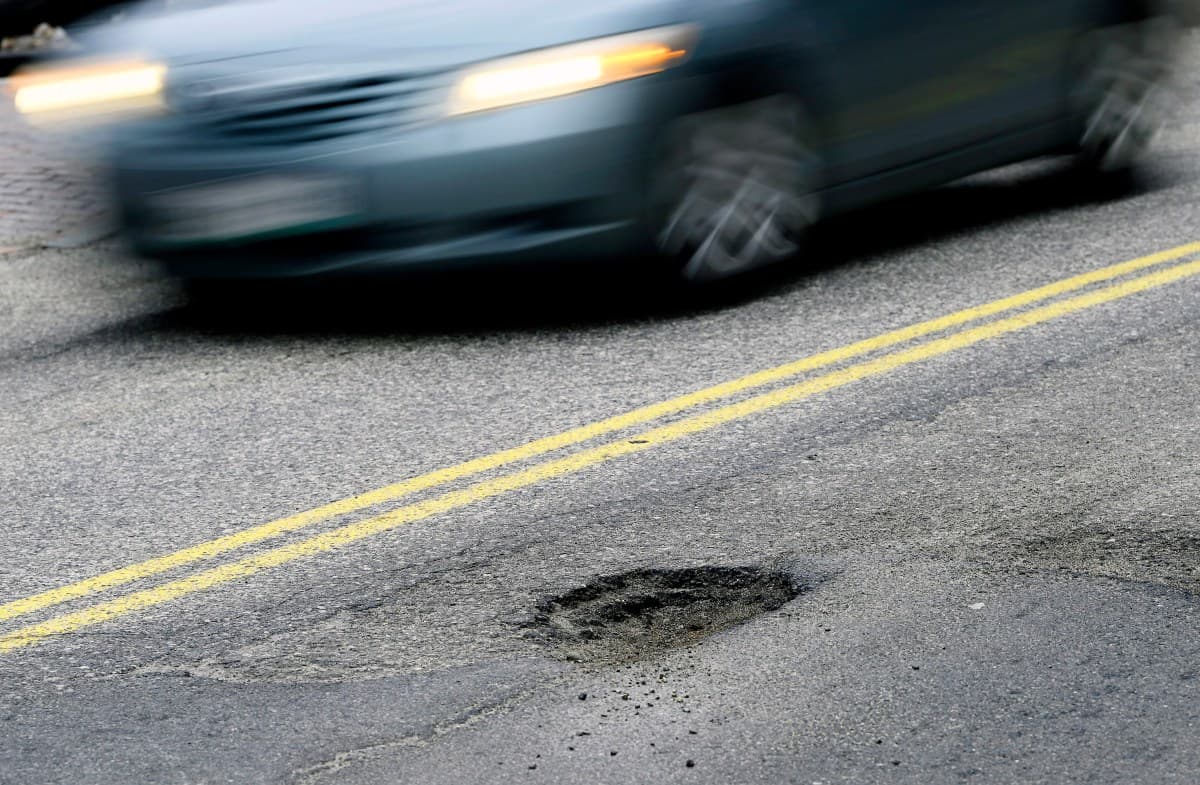
According to TechCrunch, fleet management platform Samsara has unveiled an artificial intelligence system capable of identifying various types of road damage and predicting deterioration rates. The technology leverages data from connected vehicles to create a comprehensive picture of road conditions across service areas.
For Charlotte-area logistics and delivery companies operating large fleets, this innovation could translate into reduced vehicle maintenance costs and improved route planning. As the region continues to experience growth in e-commerce and last-mile delivery services, tools that minimize damage from poor road conditions offer tangible operational benefits.
The AI model's ability to categorize different pothole types and forecast their progression addresses a longstanding municipal challenge. Local governments and transportation departments can use this data to prioritize repairs more effectively, potentially extending road life and reducing emergency maintenance calls.
The development signals a broader trend of connected vehicles becoming mobile data collection platforms. For Charlotte's growing transportation and logistics sector, early adoption of such technologies could provide competitive advantages in fleet efficiency and cost management while supporting the region's infrastructure maintenance efforts.