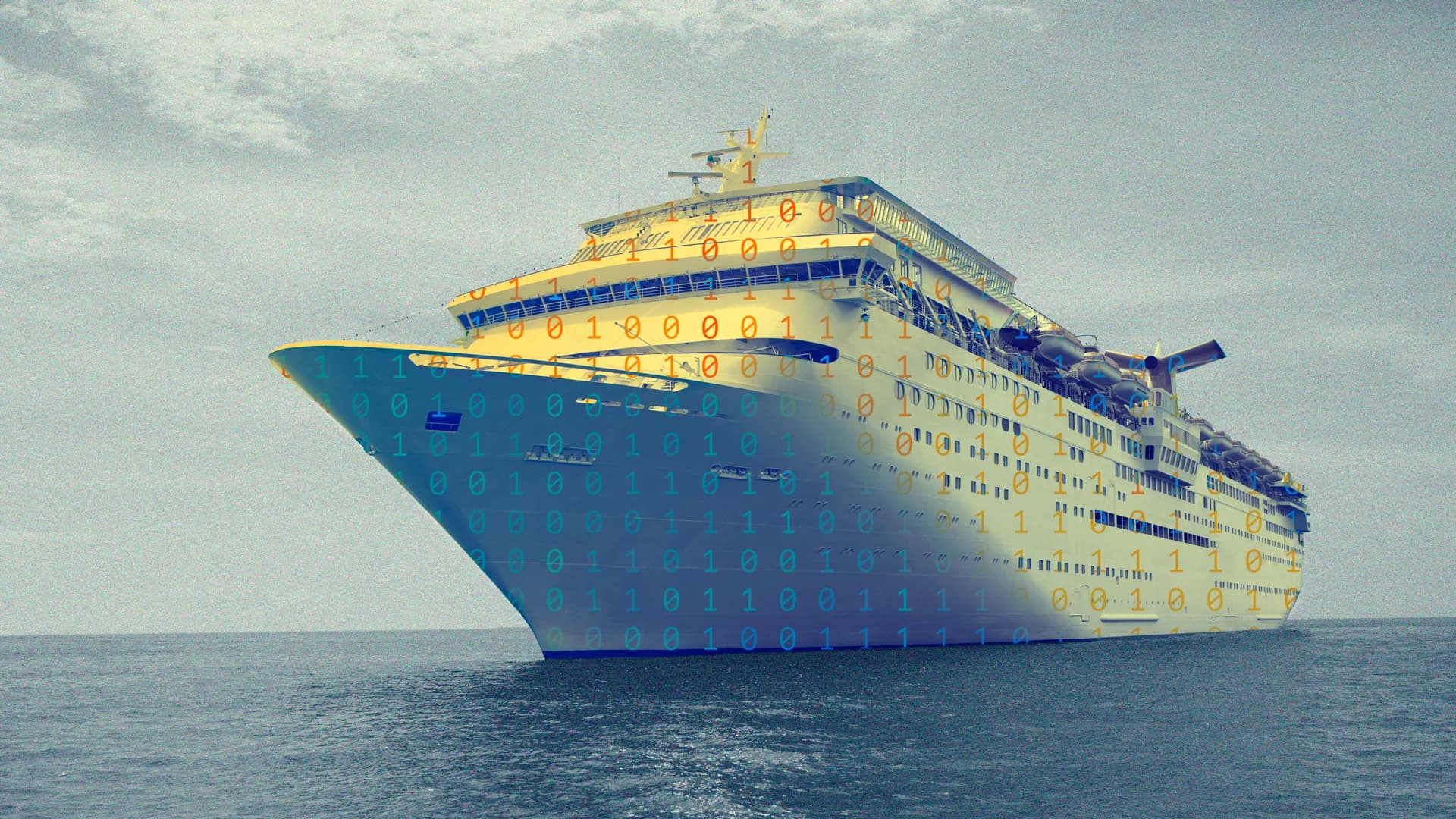
Photo via Inc.
The cruise industry—long considered the gold standard of personalized hospitality—is undergoing a significant transformation through artificial intelligence implementation. According to Inc., major cruise operators are integrating AI systems to streamline operations and enhance guest interactions, challenging the notion that high-touch service cannot coexist with automation. This shift carries important implications for Charlotte's broader hospitality sector, from hotels to restaurants to event venues that compete for visitor dollars and loyalty.
The acceptance of AI by cruise passengers signals a broader market willingness to embrace technology-driven service improvements. Rather than viewing automation as a threat to human connection, guests are responding positively when AI handles routine tasks—freeing staff to focus on meaningful interactions. This consumer sentiment matters for Charlotte-area hospitality businesses evaluating their own digital strategies and whether AI-assisted operations could improve efficiency without compromising the personal touch that differentiates premium service providers.
The implications extend beyond guest-facing applications. AI is optimizing behind-the-scenes operations including inventory management, staffing coordination, and predictive maintenance—areas where Charlotte's hotel and convention center operators could realize significant cost savings and operational improvements. For a region competing with other destinations for conventions and tourism revenue, adopting these technologies could provide competitive advantages in service quality and operational margins.
Hospitality leaders in Charlotte should view the cruise industry's AI adoption as a real-time case study in change management. Understanding how guests perceive automation, what human interactions they still value most, and where technology genuinely improves their experience will be crucial as local businesses develop their own AI roadmaps. The question is no longer whether to adopt these tools, but how to implement them strategically to enhance rather than replace the human elements that define exceptional service.