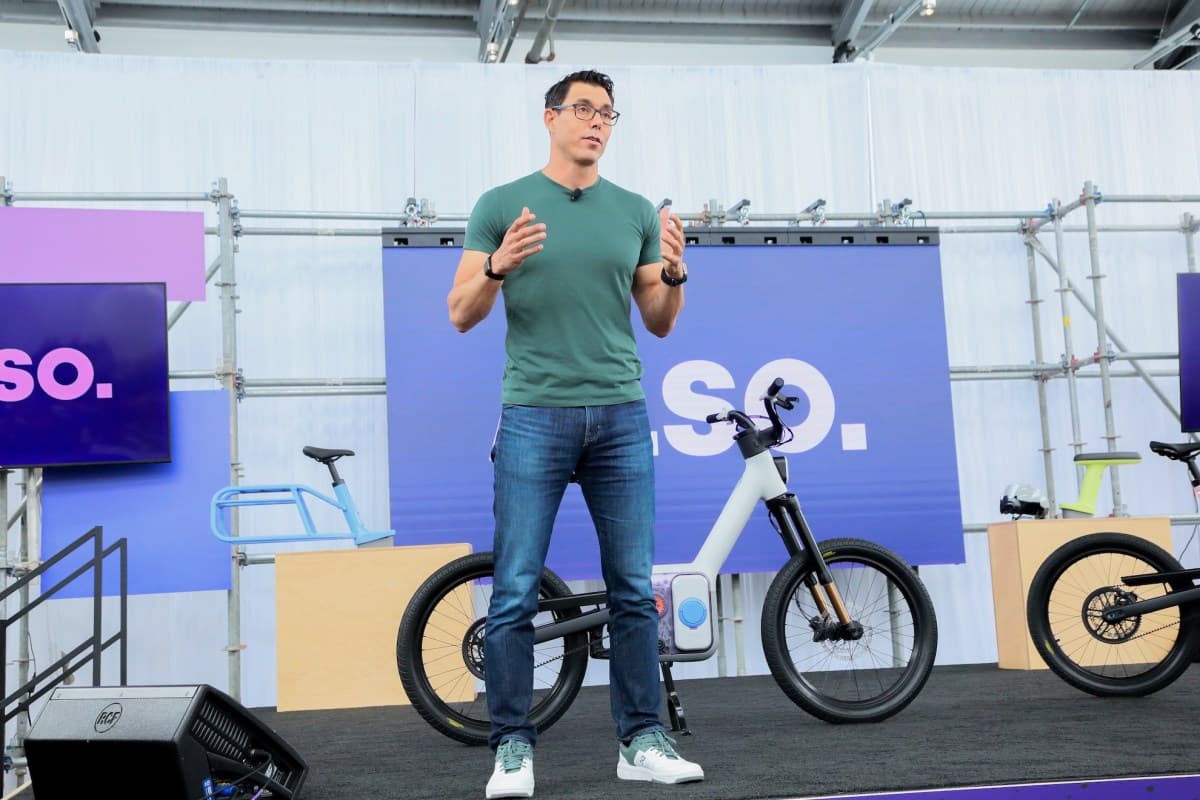
Photo via TechCrunch
The automotive sector is entering a critical phase where artificial intelligence capabilities will increasingly determine competitive advantage. According to TechCrunch Mobility, this transformation is creating an unprecedented demand for AI specialists, machine learning engineers, and autonomous vehicle experts—talent pools that traditional car manufacturers are now aggressively pursuing alongside tech companies.
For Charlotte-area businesses in the automotive supply chain and transportation logistics sector, this skills competition presents both challenges and opportunities. Companies seeking to remain relevant in an AI-driven automotive future must develop strategies to attract and retain technical talent, even as major tech hubs and established automakers offer competing offers.
The implications extend beyond engineering roles. As vehicles become increasingly autonomous and data-driven, demand is growing for professionals in software development, data analytics, cybersecurity, and systems integration. Organizations that begin workforce development initiatives now may gain significant advantages in securing talent for the transformation ahead.
Regional companies should consider partnerships with local educational institutions, investment in employee training programs, and competitive compensation structures to compete in this emerging skills marketplace. The automotive industry's evolution toward AI represents both disruption and opportunity for Charlotte's transportation and logistics sectors.