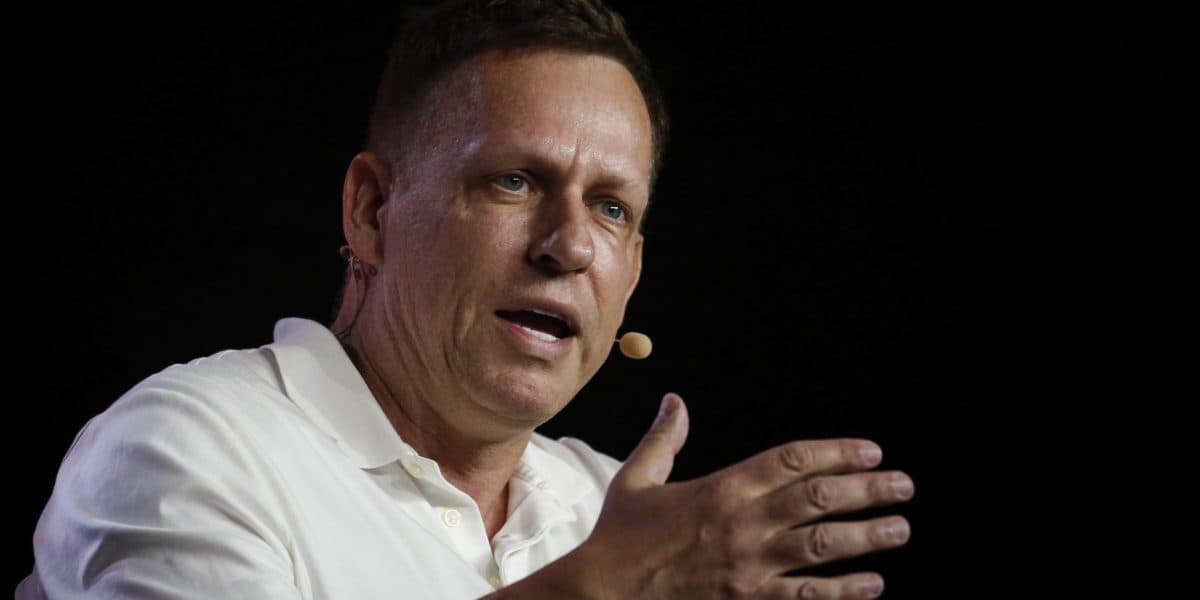
Photo via Fortune
The narrative around artificial intelligence protecting technical workers from automation may need revision. Billionaire entrepreneur Peter Thiel has challenged the conventional wisdom that STEM careers offer a refuge from AI disruption, arguing instead that technical roles face greater vulnerability than many assume. This counterintuitive claim runs against decades of advice steering workers toward technical fields as recession-proof career paths.
Recent labor market data appears to validate Thiel's concerns. According to a LinkedIn report cited in the analysis, job postings seeking "storytellers" have doubled over the past year, suggesting employers are actively seeking workers with creative and narrative skills. This trend reflects a broader recognition that human creativity, emotional intelligence, and original thinking may prove harder for AI systems to replicate than routine technical tasks.
For Charlotte's business community, this shift has tangible implications. The region's growing tech sector and corporate headquarters could see changing hiring priorities as companies reassess workforce needs. Local talent development programs and educational institutions may need to recalibrate their offerings, emphasizing not just coding and engineering skills but also creative problem-solving, communication, and strategic thinking that differentiate human workers from AI systems.
The emerging landscape suggests a fundamental realignment in workforce strategy. Rather than relying solely on technical credentials, professionals should consider developing hybrid skill sets that combine technical knowledge with creative and interpersonal capabilities. For Charlotte businesses preparing for an AI-driven future, this means reimagining both hiring practices and employee development to nurture the uniquely human skills that remain difficult to automate.