Photo via FreightWaves
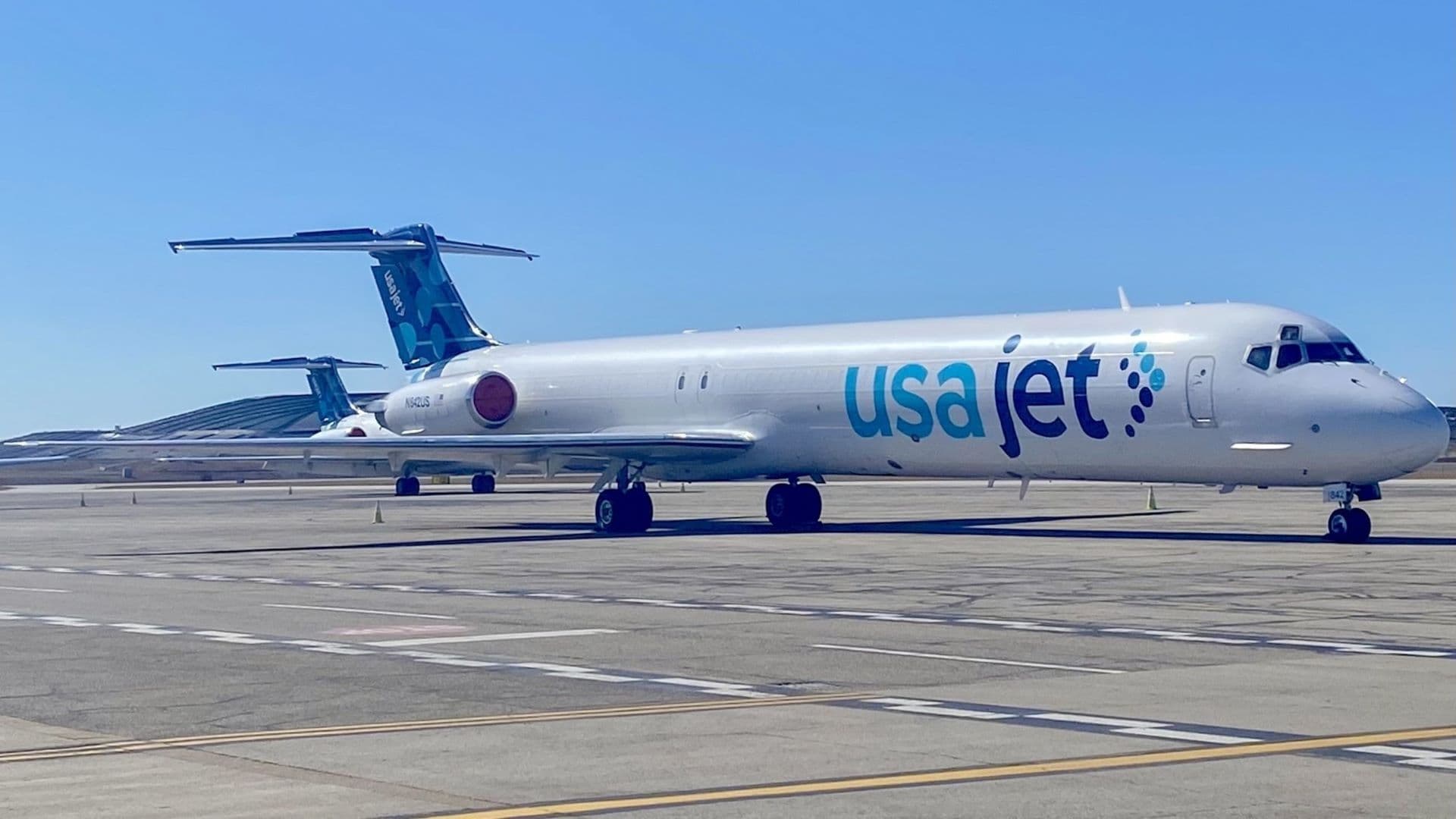
Global Crossing Airlines has filed a breach-of-contract lawsuit against Ascent Global Logistics, a freight broker and investor in the airline, according to FreightWaves. The suit centers on allegations that Ascent systematically awarded charter flight contracts to its own internal cargo airline rather than continuing business with Global Crossing, its stated partner.
The dispute highlights a growing tension in the cargo logistics sector, where freight brokers increasingly compete with their own partners by developing in-house airline operations. For Charlotte-area companies reliant on air cargo services, such conflicts between service providers and their investors underscore the importance of clear contractual protections when selecting logistics partners.
The case underscores broader concerns about vertical integration within the freight industry. When companies hold both brokerage operations and competing cargo assets, questions arise about whether partnerships are genuinely competitive or simply feeders for internal operations—a distinction that matters significantly for shippers seeking reliable, committed service providers.
As the litigation proceeds, the outcome could establish important precedent for how freight brokers and their investor-backed carriers must balance shareholder interests against contractual obligations to partners. Regional logistics companies and freight forwarders operating in the Carolinas should monitor developments, as the ruling may influence how they structure agreements with multi-faceted logistics firms.