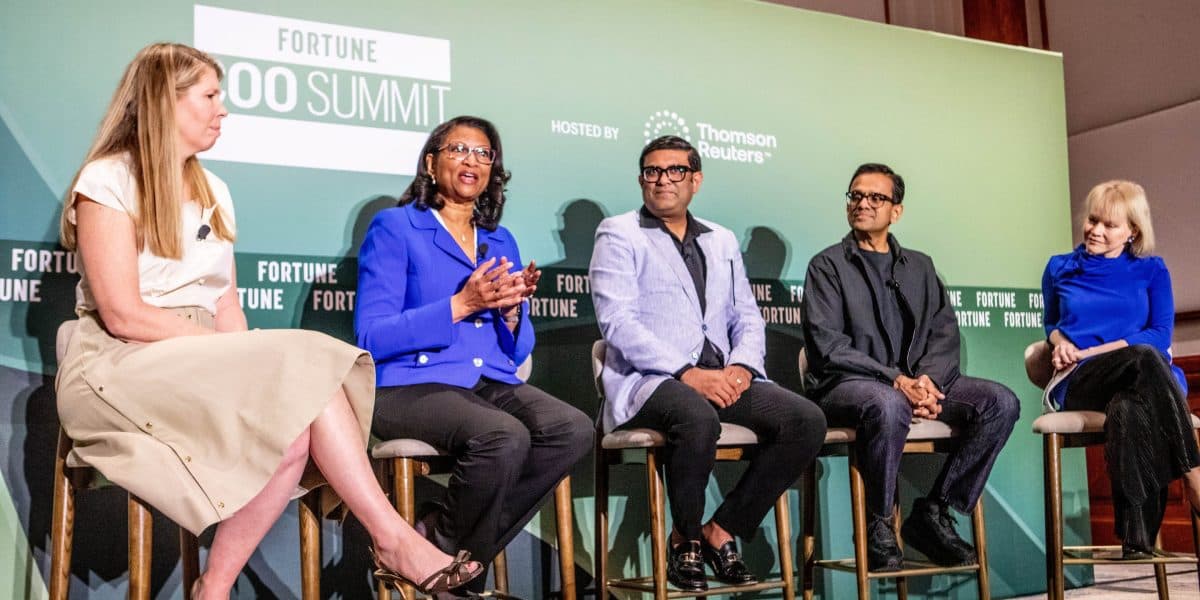
Photo via Fortune
Chief operating officers at major corporations are encountering an unexpected reality as they adopt artificial intelligence systems: the technology is adding layers of complexity to their already demanding roles rather than reducing operational burden. According to reporting in Fortune, executives who championed AI adoption anticipated efficiency gains and simplified processes, only to find themselves managing entirely new categories of challenges that didn't exist before implementation.
The paradox stems from AI's dual nature as both a solution and a problem generator. While automation handles routine tasks, it simultaneously introduces new responsibilities around oversight, governance, integration with legacy systems, and workforce management. For Charlotte-based operations leaders—particularly those in logistics, healthcare, and financial services sectors—this means allocating significant resources to monitor AI performance, ensure compliance with emerging regulations, and address unexpected system interactions that traditional automation never required.
The skill gap compounds the challenge. Operations teams must now include personnel who understand machine learning capabilities and limitations alongside traditional supply chain, manufacturing, or process expertise. This talent acquisition burden falls directly on COOs, who must compete for scarce AI-literate professionals while simultaneously training existing staff to work alongside automated systems.
As AI adoption accelerates across industries serving the Charlotte region, operations leaders should approach implementation with realistic expectations. Success requires not just technology investment, but dedicated governance structures, cross-functional collaboration, and transparent communication with teams about where automation augments—rather than replaces—human expertise.