Photo via Fast Company
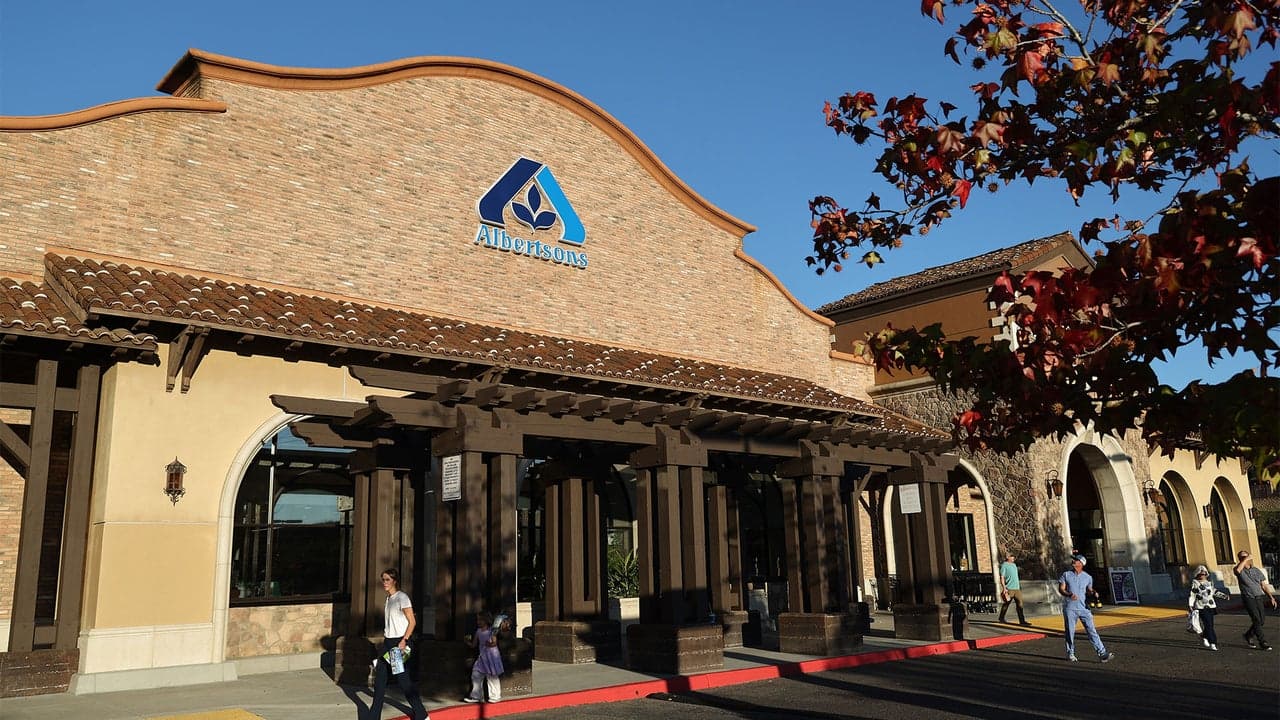
Albertsons Companies has accelerated store closures across its portfolio as it recalibrates operations following the December 2024 collapse of its proposed $25 billion acquisition by Kroger. According to Fast Company's analysis, at least a dozen locations have shuttered or are slated for closure in 2026, spanning multiple banners including Safeway, Vons, Acme, Randalls, and Balducci's. The wave of closures underscores the challenges facing traditional grocery retailers in an increasingly competitive landscape.
The company had paused optimization efforts during the two-year merger process, but resumed footprint restructuring once the deal was blocked by federal courts. Albertsons characterizes the strategy as balancing new store openings in high-demand areas with difficult closures in underperforming locations. While the company projects a net positive store count by February 2027, it has declined to disclose total closure targets or job impact figures. Competitor Kroger is following a similar playbook, reducing its own store footprint post-merger failure.
Albertsons faces mounting headwinds beyond store closures. The company posted a $481 million net loss in its fourth quarter, largely driven by a $774 million opioid settlement related to pharmacy operations. Same-store sales growth limped to just 2 percent, though digital channels provided brighter results with a 21 percent increase. These metrics reflect broader sector challenges as supermarket chains compete against big-box retailers like Walmart and Costco, plus Amazon's growing grocery ambitions.
For Charlotte-area business observers, Albertsons' struggles exemplify ongoing retail consolidation in grocery and food distribution. Stock performance has deteriorated sharply, with shares down 27 percent over the past year, suggesting investor concerns about the company's competitive positioning extend beyond immediate closures. The situation highlights why regional retailers and community stakeholders should monitor national grocery industry trends, as consolidation patterns often ripple across local markets.