Photo via Inc.
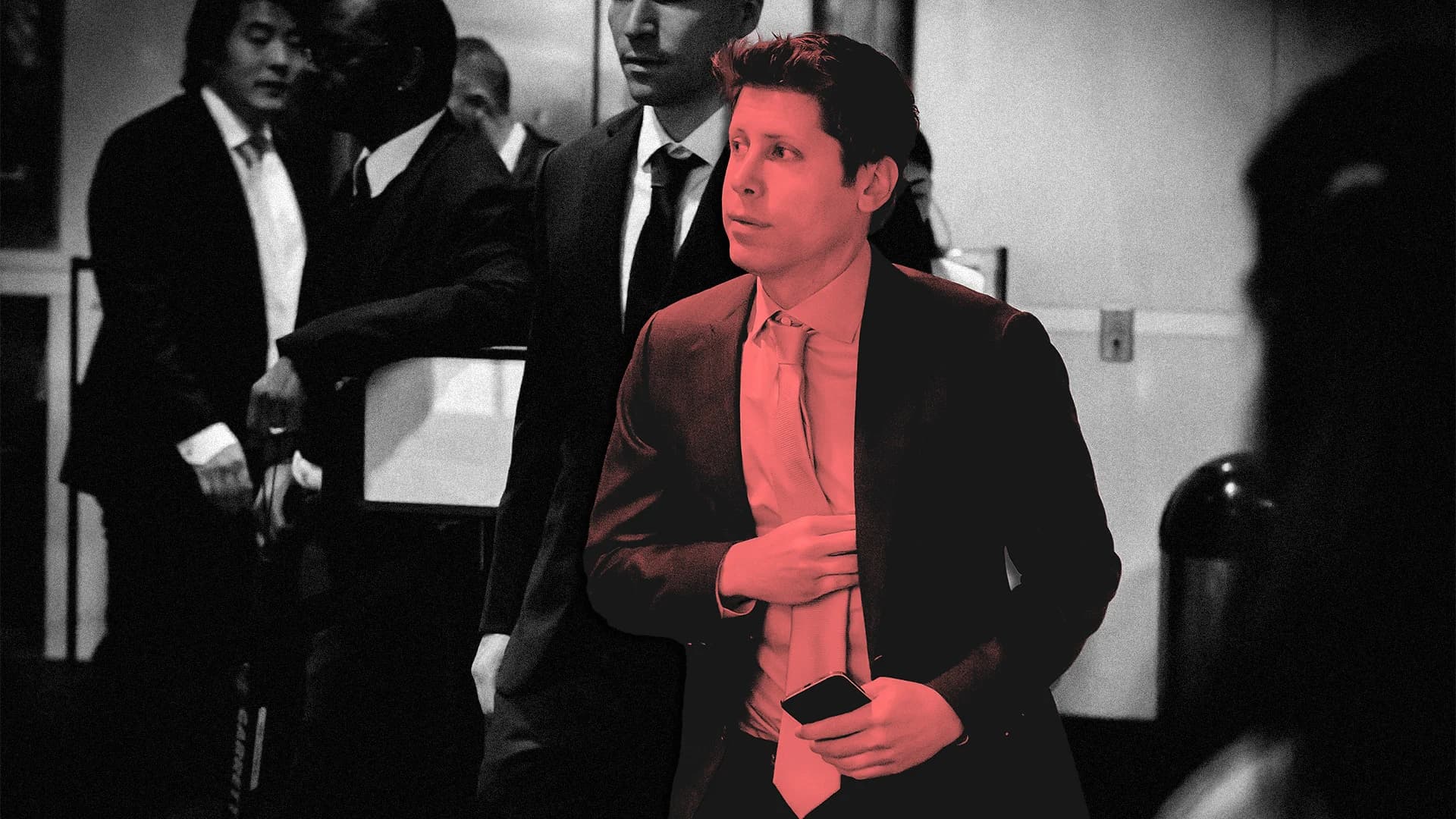
Sam Altman emerged victorious in his legal battle with Elon Musk, but according to Inc., the outcome represents a hollow achievement for the OpenAI leader. While Altman technically prevailed in court, the publication suggests the real damage has already been inflicted in ways that extend beyond litigation. For Charlotte's growing tech community and investors watching the AI landscape, the case underscores the volatility and interpersonal stakes in high-stakes tech leadership.
The lawsuit centered on disputes over OpenAI's direction and governance, reflecting deeper tensions between Altman's vision and Musk's concerns about the company's nonprofit mission. These kinds of foundational conflicts—about purpose, control, and strategic direction—often prove more damaging to organizations than any legal judgment. Charlotte-area entrepreneurs and board members should take note of how public disputes between influential founders can erode stakeholder confidence regardless of who wins in court.
Beyond the courtroom victory, Altman faces significant reputational and operational challenges. The extended legal conflict has consumed leadership bandwidth, distracted from core business priorities, and created uncertainty among employees, partners, and investors. For regional tech firms and venture capital groups in the Charlotte area, this case demonstrates how founder disputes can disrupt momentum and create openings for competitors.
As OpenAI navigates its future, Altman's pyrrhic victory serves as a cautionary tale for Charlotte's business leaders about the true cost of public conflict. Winning a lawsuit doesn't repair trust, restore focus, or necessarily improve organizational health. The real test for Altman lies not in defeating Musk legally, but in rebuilding confidence and demonstrating that OpenAI can move forward with clarity and unified purpose.