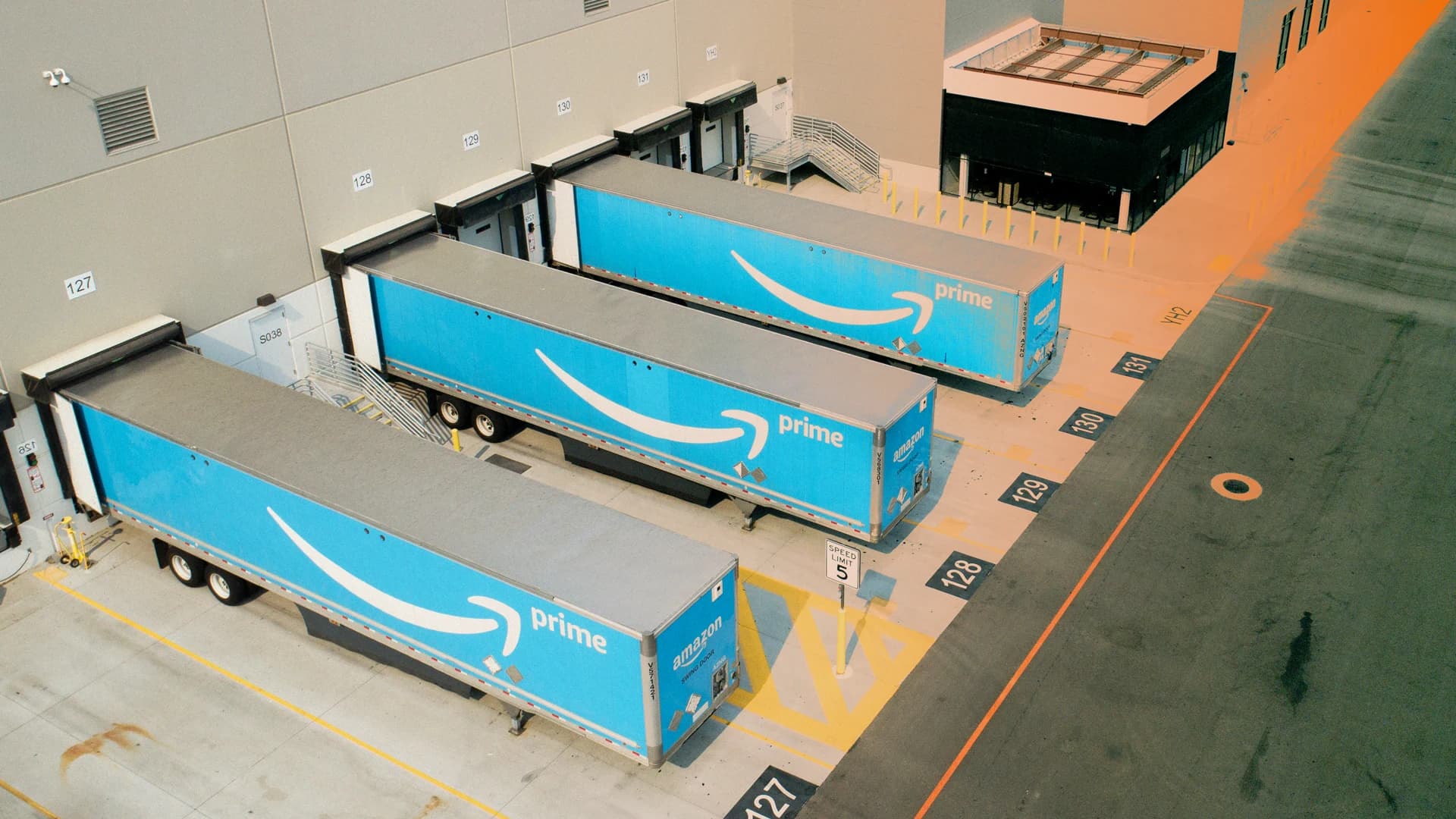
Photo via Inc.
Amazon has begun rolling out access to its extensive delivery network to third-party retailers and shipping competitors, marking a significant shift in how the e-commerce giant operates. According to Inc., this expansion represents a strategic pivot that could fundamentally alter competitive dynamics across the shipping and logistics industries. For Charlotte-area businesses reliant on delivery services, this development signals potential new options for reaching customers more efficiently.
The move reflects Amazon's recognition that its logistics infrastructure—built over years and at considerable expense—has become a valuable asset in its own right. By monetizing this network beyond its own operations, Amazon can generate additional revenue streams while simultaneously integrating competitors into its system. This approach mirrors patterns Amazon has established in cloud computing and advertising, where the company leverages existing infrastructure to create new business lines.
Regional retailers and logistics companies in Charlotte may face pressure to adapt their distribution strategies in response. Companies that have traditionally relied on UPS, FedEx, or regional carriers now have an alternative option, while those already using Amazon's services may need to evaluate whether expanded access creates new competitive pressures. The decision to partner with Amazon's delivery network versus maintaining independent logistics could significantly impact operational costs and delivery timelines.
Industry observers suggest this evolution will force traditional shipping companies and retailers to reconsider their entire supply chain architecture. For Charlotte's growing retail and e-commerce sectors, understanding the implications of Amazon's expanded delivery network will be critical to maintaining competitive advantage. Businesses should evaluate how this shift affects their logistics partnerships, customer delivery expectations, and overall operational efficiency in an increasingly crowded logistics marketplace.