Photo via FreightWaves
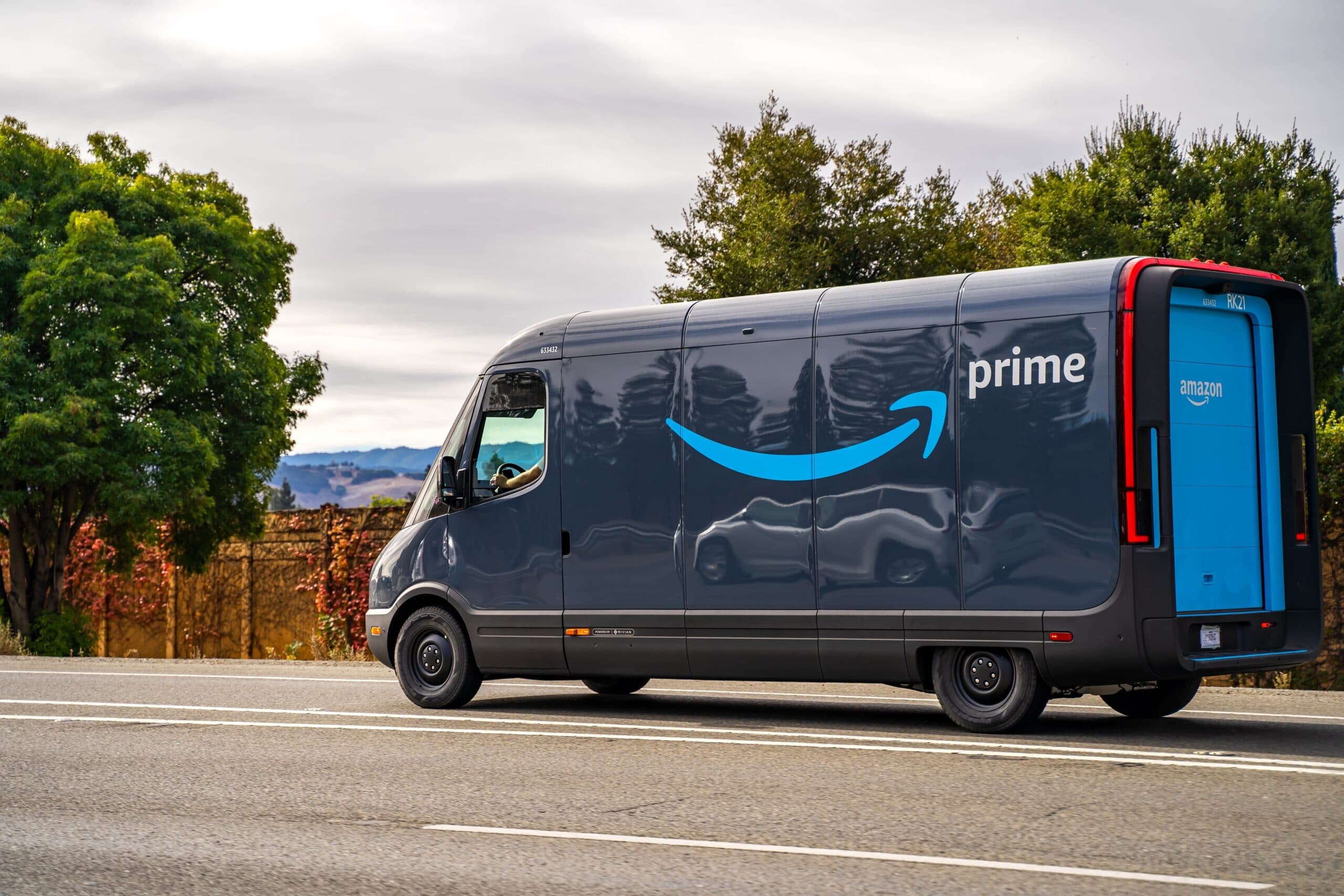
Amazon has reached a settlement with the National Labor Relations Board that resolves a key question about the company's employment relationship with its network of delivery service partners (DSPs). According to FreightWaves, the deal should definitively settle whether Amazon qualifies as a joint employer of the independent contractors who deliver packages under its brand.
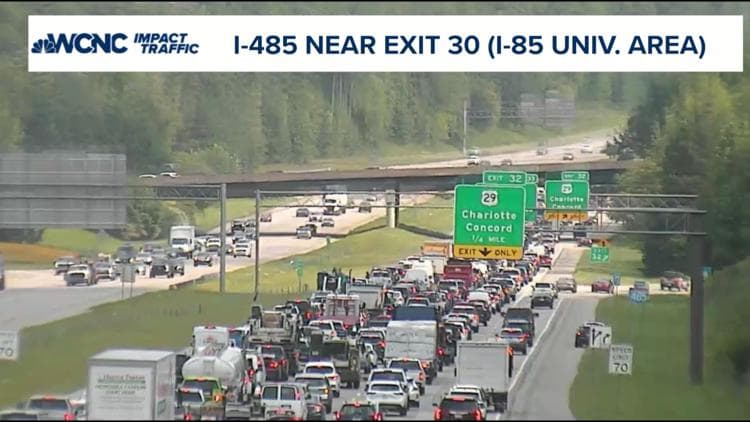
The ruling carries implications for Charlotte's growing logistics and e-commerce sector, where Amazon operates multiple fulfillment centers and delivery operations. A joint employer classification could have altered labor obligations and compliance requirements for the tech giant and other major retailers relying on similar contractor networks in the region.
This NLRB decision provides clarity for logistics companies and gig economy platforms operating in North Carolina, where the classification of delivery workers remains a contentious issue. The settlement helps establish a precedent for how large retailers can structure their last-mile delivery networks without triggering joint employer liability.
For Charlotte-area businesses in retail and logistics, the outcome offers a more stable regulatory framework for managing independent delivery contractor relationships. The decision may influence how other regional companies structure their own delivery and service partner arrangements going forward.