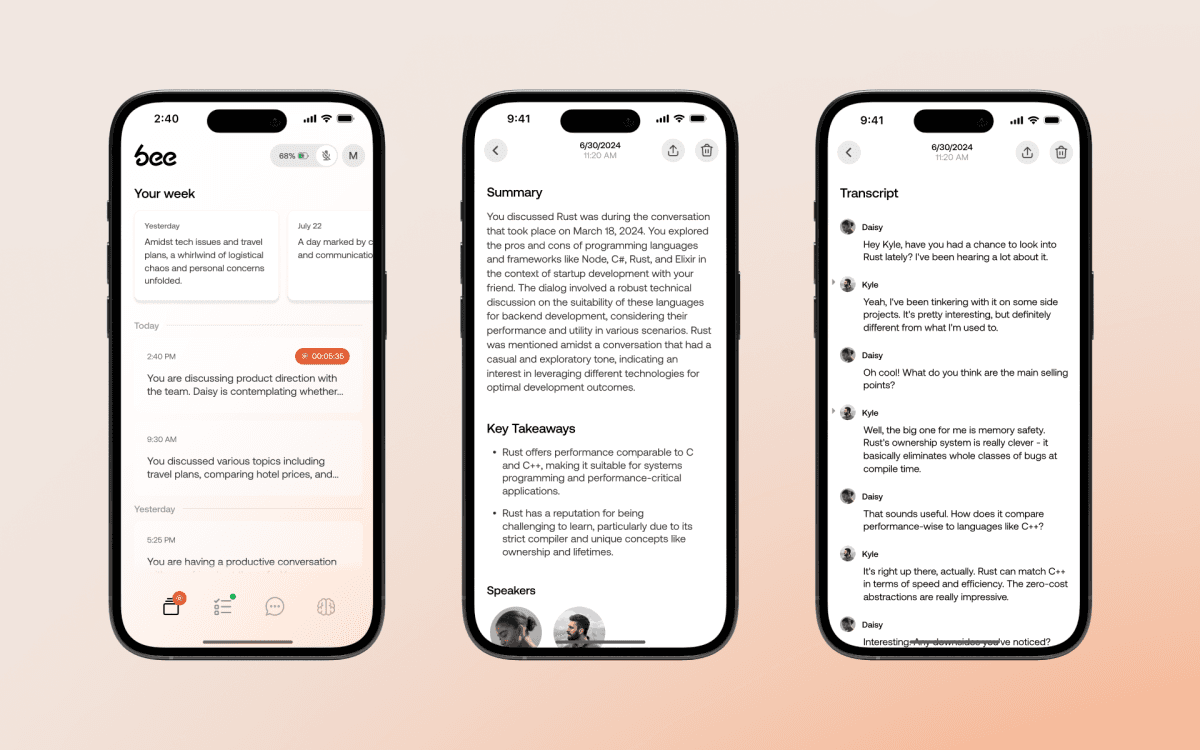
Photo via TechCrunch
Amazon's latest wearable device, Bee, exemplifies a growing trend in consumer technology that blurs the line between convenience and privacy intrusion. According to TechCrunch's hands-on review, the device promises enhanced productivity through AI assistance while simultaneously raising red flags about data collection and user surveillance. For Charlotte-area businesses evaluating wearable technology adoption for their workforce, understanding these tradeoffs is increasingly critical.
The appeal of AI wearables like Bee is straightforward: they offer real-time assistance, streamlined task management, and seamless integration into daily operations. However, this convenience comes at a cost. The continuous data collection required to power these devices—from location tracking to behavioral patterns—creates potential vulnerabilities that corporate security teams cannot ignore. As more companies consider equipping employees with such technology, Charlotte's business community should carefully assess vendor privacy policies and data handling practices.
The privacy concerns surrounding wearable AI devices extend beyond individual users to organizational risk management. Companies adopting this technology assume responsibility for protecting employee data, which may trigger compliance obligations under various regulations. For growing Charlotte tech firms and established enterprises alike, the decision to implement AI wearables requires input from both IT departments and legal counsel to ensure alignment with data protection standards.
The market for AI wearables will likely expand as manufacturers refine their offerings and consumers become more comfortable with the technology. Charlotte businesses operating in retail, logistics, and customer service sectors may find particular value in wearable AI applications. However, early adopters would be wise to approach these tools thoughtfully, establishing clear data governance policies and maintaining transparency with employees about collection practices and usage. The key lies in capturing innovation's benefits while maintaining the trust and security standards that Charlotte's business community demands.