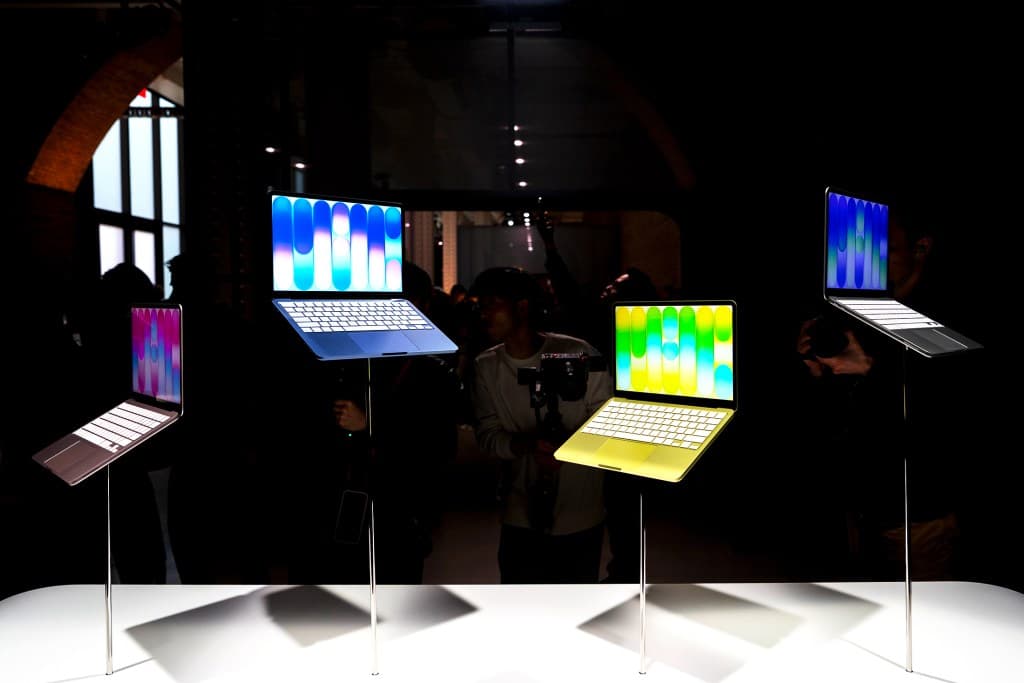
Photo via Entrepreneur
Apple's ambitious Liquid Glass design has proven to be a mixed success across the company's product lineup. While the aesthetic innovation resonates with iPhone users and delivers a premium visual experience on mobile devices, the technology has encountered significant challenges when applied to Mac computers, according to Entrepreneur. The disconnect between the design philosophy and the hardware capabilities of most Mac displays highlights a critical lesson in cross-platform product development.
The core issue stems from a fundamental mismatch between display technologies. Most Mac users rely on LCD screens rather than the OLED displays found in newer iPhones, and Liquid Glass effects simply don't translate effectively to LCD technology. This disparity has forced Apple to reconsider its one-size-fits-all design approach, recognizing that interface design must account for the underlying hardware capabilities of each device category.
For Charlotte-area technology professionals and businesses relying on Mac computers for design, development, and creative work, this pivot signals that Apple remains committed to optimizing user experience across its ecosystem. Companies investing in Mac-based workflows can expect interfaces tailored specifically to LCD screen performance rather than compromised adaptations of mobile-first designs.
The company's willingness to adjust its design strategy underscores an important principle for tech companies: innovative aesthetics must complement rather than compromise functional performance. As Apple refines its approach, stakeholders should monitor how these changes affect productivity tools and professional applications that drive enterprise adoption in the regional tech sector.