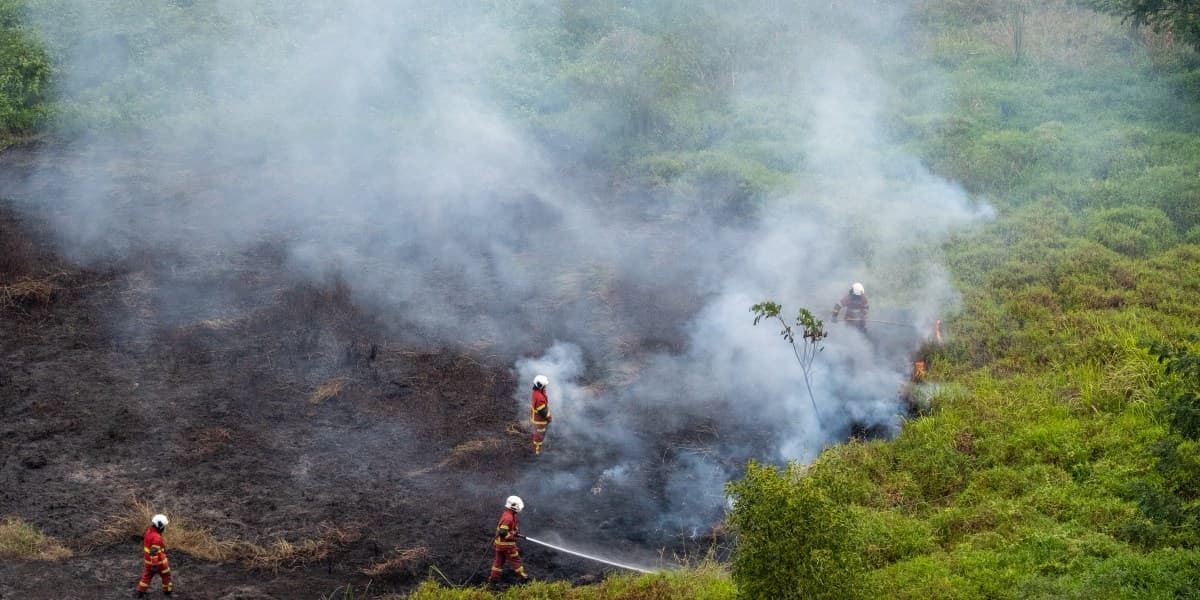
Photo via Fortune
Asia is facing a compounding energy crisis as drought conditions and elevated temperatures strain electrical grids across the region. According to Fortune, countries are simultaneously managing limited oil and gas supplies while grappling with climate-driven power generation challenges. This dual pressure creates significant uncertainty for energy availability in one of the world's most economically vital regions.
The threat of a 'Super El Niño' event—characterized by extreme drought and heat—could exacerbate existing fuel shortages at a critical moment. When power demand spikes due to cooling needs, hydroelectric and renewable sources often underperform during drought conditions, forcing reliance on fossil fuels. This mismatch between supply and demand could trigger regional energy rationing or price volatility.
For Charlotte businesses, particularly those in manufacturing, technology, and logistics sectors, the implications are noteworthy. Many Queen City companies source components, materials, or labor from Asian suppliers. Disruptions to regional power grids could delay production schedules, increase shipping costs, and affect inventory management across local supply chains.
Energy market watchers suggest monitoring Asian fuel prices and grid stability closely. Charlotte-area companies with significant Asia operations should consider contingency planning and explore diversified sourcing strategies. The situation underscores broader vulnerabilities in global energy infrastructure and the interconnected risks facing international commerce.