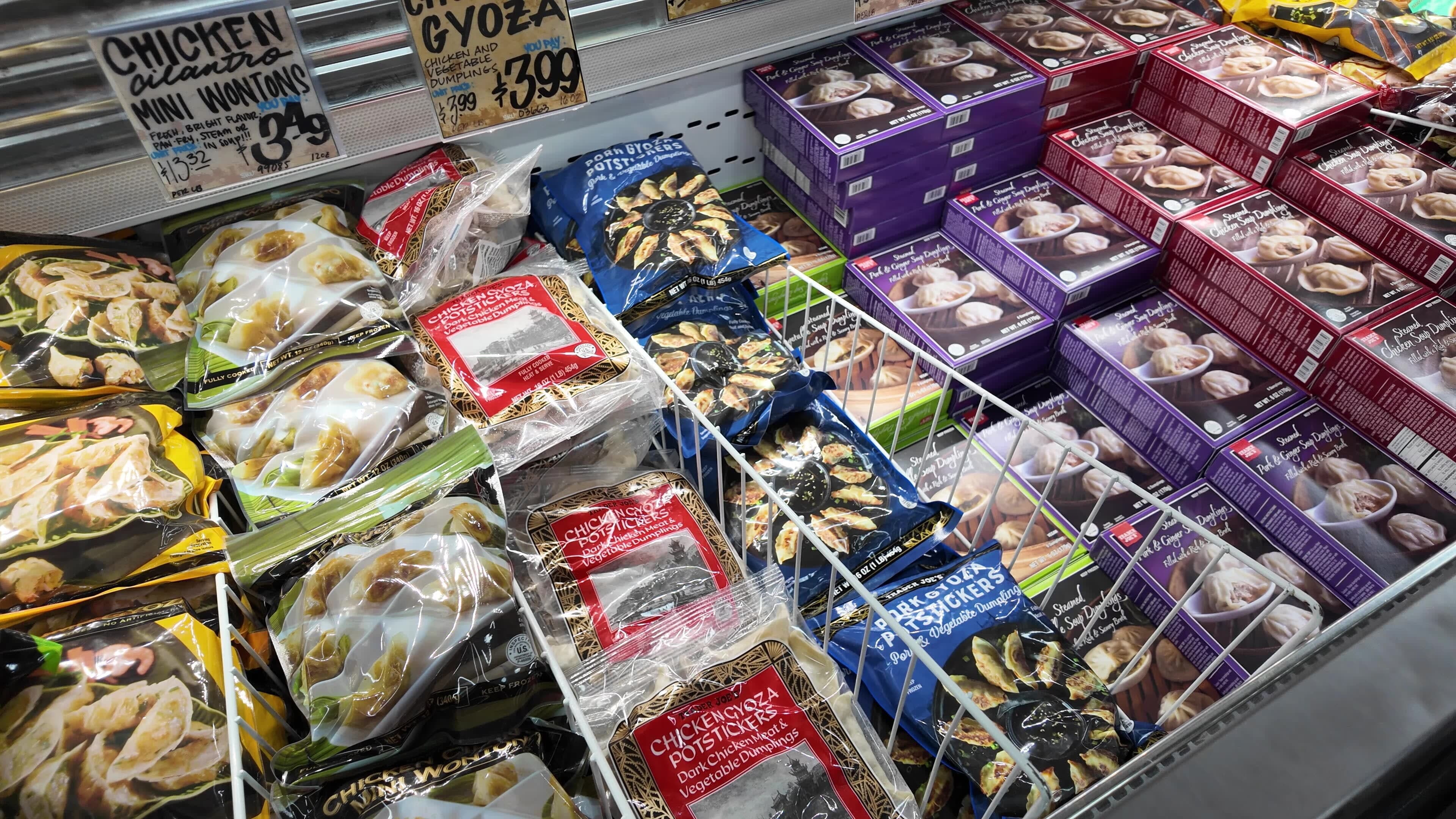
Photo via CNBC Business
The American grocery landscape is undergoing a notable transformation as Asian food products move from niche specialty sections into mainstream retail shelves. According to CNBC Business, this shift reflects broader consumer interest in Asian cuisines and ingredients, prompting major grocery chains to reimagine their store layouts and inventory strategies. For Charlotte retailers competing in an increasingly diverse metropolitan area, this trend presents both an opportunity and a necessity to better serve the region's growing Asian population and adventurous home cooks.
Rather than confining Asian groceries to a designated 'ethnic aisle,' forward-thinking retailers are integrating these products throughout their stores—placing Asian sauces alongside traditional condiments, stocking specialty rice varieties near mainstream grains, and positioning instant noodles in the pasta section. This merchandising strategy reflects a fundamental change in how supermarkets view their role. By adopting a one-stop-shop mentality, retailers aim to reduce friction for customers seeking Asian ingredients while simultaneously normalizing these products as everyday grocery staples rather than specialty items.
Charlotte's retail sector, anchored by Harris Teeter and Food Lion alongside national chains like Harris Teeter and local independent grocers, has an opportunity to capitalize on this trend. The region's demographic shifts and the success of Asian restaurants and food concepts across Charlotte indicate sustained consumer interest in these flavors. Retailers that proactively expand and reposition their Asian grocery offerings stand to capture increased market share and loyalty from both Asian households and mainstream consumers exploring new cuisines.
The broader implication extends beyond simple shelf placement. This evolution signals that Asian food products are no longer considered 'other' or marginal in American supermarkets—they're now recognized as core merchandise categories. For Charlotte business owners in food retail, distribution, and food service, understanding and responding to this shift will be essential for staying competitive in a market where consumer preferences increasingly demand authenticity, diversity, and accessibility.