Photo via FreightWaves
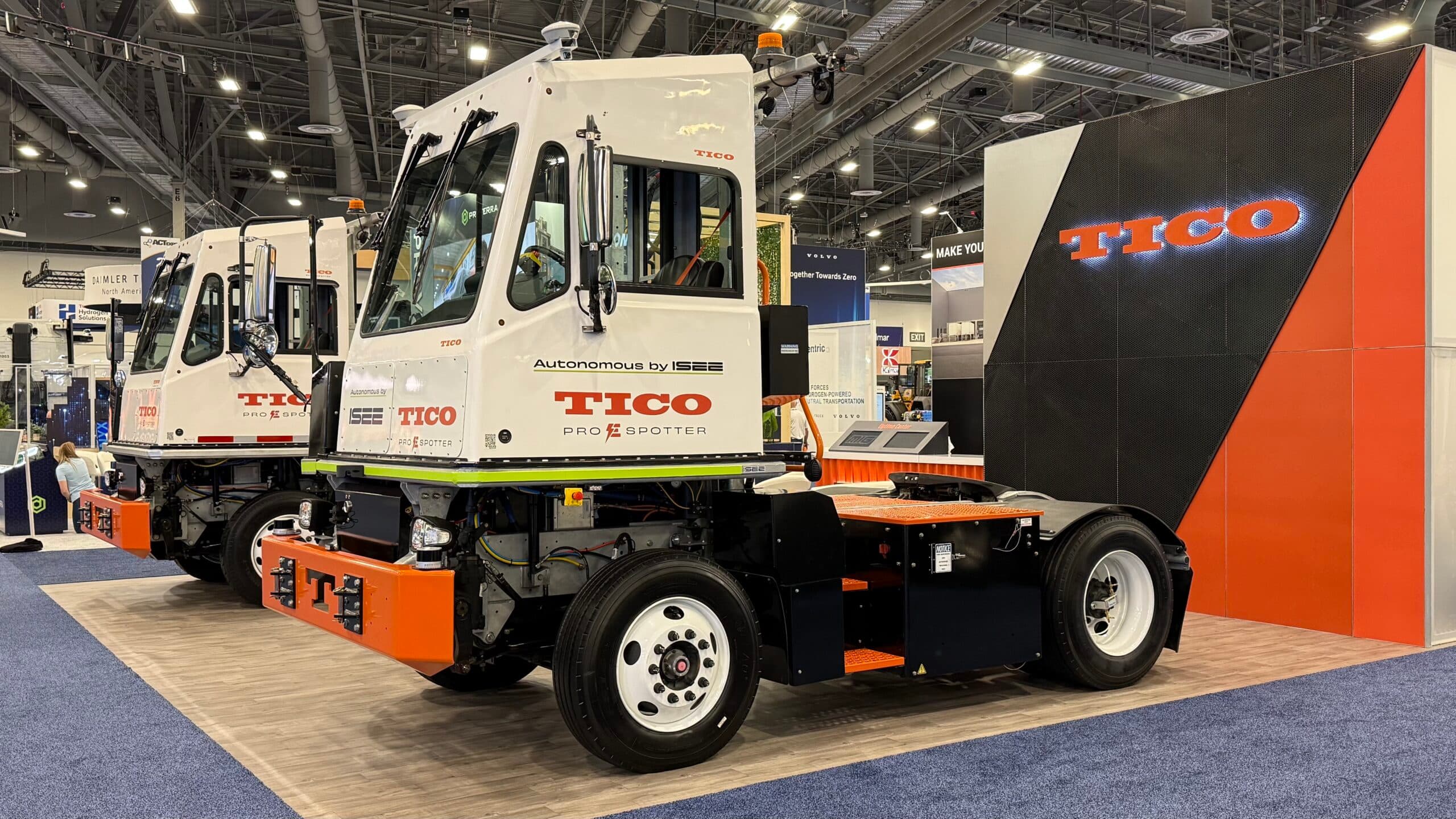
The autonomous trucking industry is shifting its focus from long-haul highways to a more confined—and potentially more achievable—frontier: private yard operations. According to FreightWaves, two key players in the space, ISEE AI and TICO, have targeted 2027 for autonomous yard tractor production, signaling that the technology may finally be ready for meaningful commercial deployment in near-term operations.
Yard tractors, which move trailers within warehouse complexes, distribution centers, and intermodal facilities, present a fundamentally different challenge than highway autonomy. These vehicles operate in controlled environments with predictable traffic patterns, limited speeds, and fewer variables—conditions that make achieving a 'closed safety case' more feasible. This advancement removes a major regulatory hurdle that has long delayed autonomous vehicle adoption across the industry.
For Charlotte's logistics and supply chain community, this development carries real implications. The region's growing warehouse footprint and proximity to major distribution hubs mean local companies could be early adopters of yard automation technology. Reducing the need for human operators in repetitive yard movements could address driver shortages while improving efficiency and safety metrics across regional operations.
The path to hundreds of truck orders appears to be accelerating, driven by generational improvements in autonomous technology and clearer regulatory pathways. Industry observers suggest that yard automation may serve as the proving ground for broader autonomous adoption, with successful deployments potentially opening doors to larger-scale fleet conversion within the next five years.