Photo via Fast Company
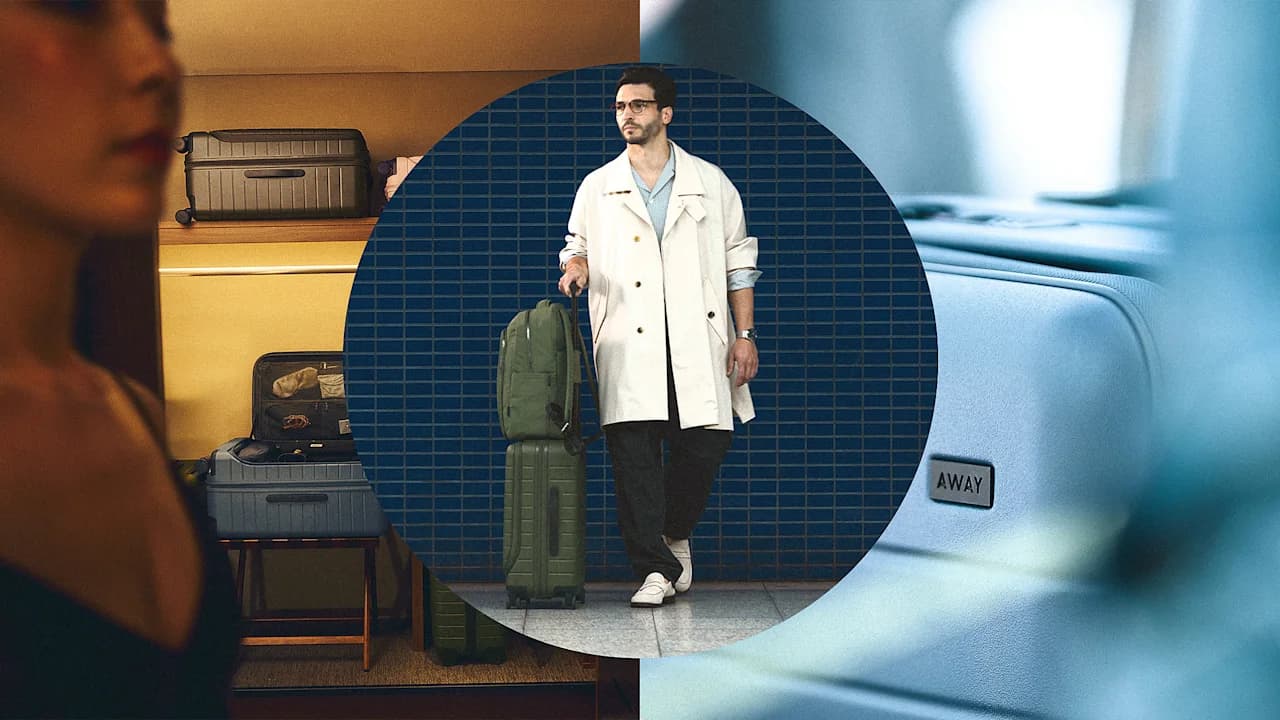
Luggage brand Away has launched a new collection designed in partnership with Amtrak to address a persistent pain point for rail travelers: navigating unwieldy suitcases through cramped train corridors and tight storage spaces. The Topside collection introduces several practical features, including a dual-wheel brake system that prevents suitcases from rolling during transit and a vertical front opening that allows passengers to access belongings while luggage remains upright—eliminating the need to lay bags flat in confined spaces.
The collection, priced between $375 and $475, represents a strategic move by Amtrak to elevate its brand positioning among younger, design-conscious travelers. According to Whitney Cripe, Amtrak's senior director of brand marketing, the partnership signals the company's broader effort to "elevate perceptions around rail travel as a more premium modern experience." Amtrak offered early access to first-class Acela passengers and is providing limited-time discounts to rail customers, positioning the luggage as part of a lifestyle shift rather than mere transportation infrastructure.
For Charlotte-area business travelers who utilize the Northeast Corridor or regional Amtrak routes, the partnership underscores how legacy transportation companies are modernizing their offerings to compete with air and automotive travel. The luggage's focus on compact design and maximum capacity reflects evolving demands from professionals who need efficient packing solutions for shorter trips where train travel offers advantages over flying—no early arrival, central station locations, and lower carbon emissions.
The partnership represents just one component of Amtrak's broader rebranding push, which has also included collaborations with design schools and limited-edition product launches. While the company achieved record ridership of 34.5 million passengers last year, experts note that sustainable growth depends on continued infrastructure investment and service improvements beyond product partnerships. Still, according to industry observers, thoughtful design details targeting specific user pain points may prove instrumental in shifting traveler perceptions about rail as a viable alternative to other modes of transportation.