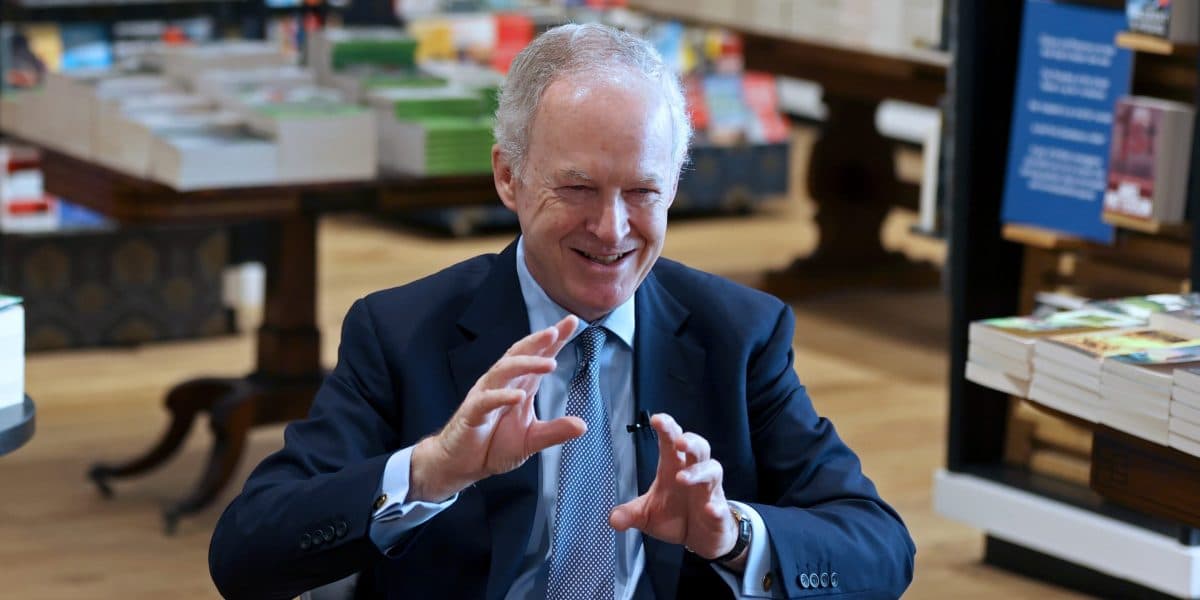
Photo via Fortune
Barnes & Noble is taking a measured approach to the growing debate over artificial intelligence-generated books flooding the market. Rather than implement an outright ban, the bookseller is deferring to publishers to make the call on whether content qualifies as AI-written, according to Fortune's reporting on CEO James Daunt's recent comments.
Daunt's clarification represents a pragmatic stance for a retail chain that must balance customer concerns about authenticity with the realities of an evolving publishing landscape. By positioning publishers as the gatekeepers of AI disclosure, Barnes & Noble avoids becoming the arbiters of what constitutes machine-generated versus human-authored work—a determination that remains murky even among industry experts.
For Charlotte-area independent booksellers and publishing professionals, this decision underscores an important shift in accountability. Local publishers and authors will need to establish clear internal standards for AI use and disclosure, knowing that major retailers won't serve as a second line of defense. The responsibility now rests squarely on the supply side of the publishing chain.
This framework could set a precedent for other retailers and has implications for the broader creative economy. As AI-generated content becomes increasingly sophisticated, businesses across sectors will grapple with similar questions about disclosure, authenticity, and consumer trust. Barnes & Noble's approach suggests the retail industry may be moving toward transparency through labeling rather than outright exclusion.