Photo via Inc.
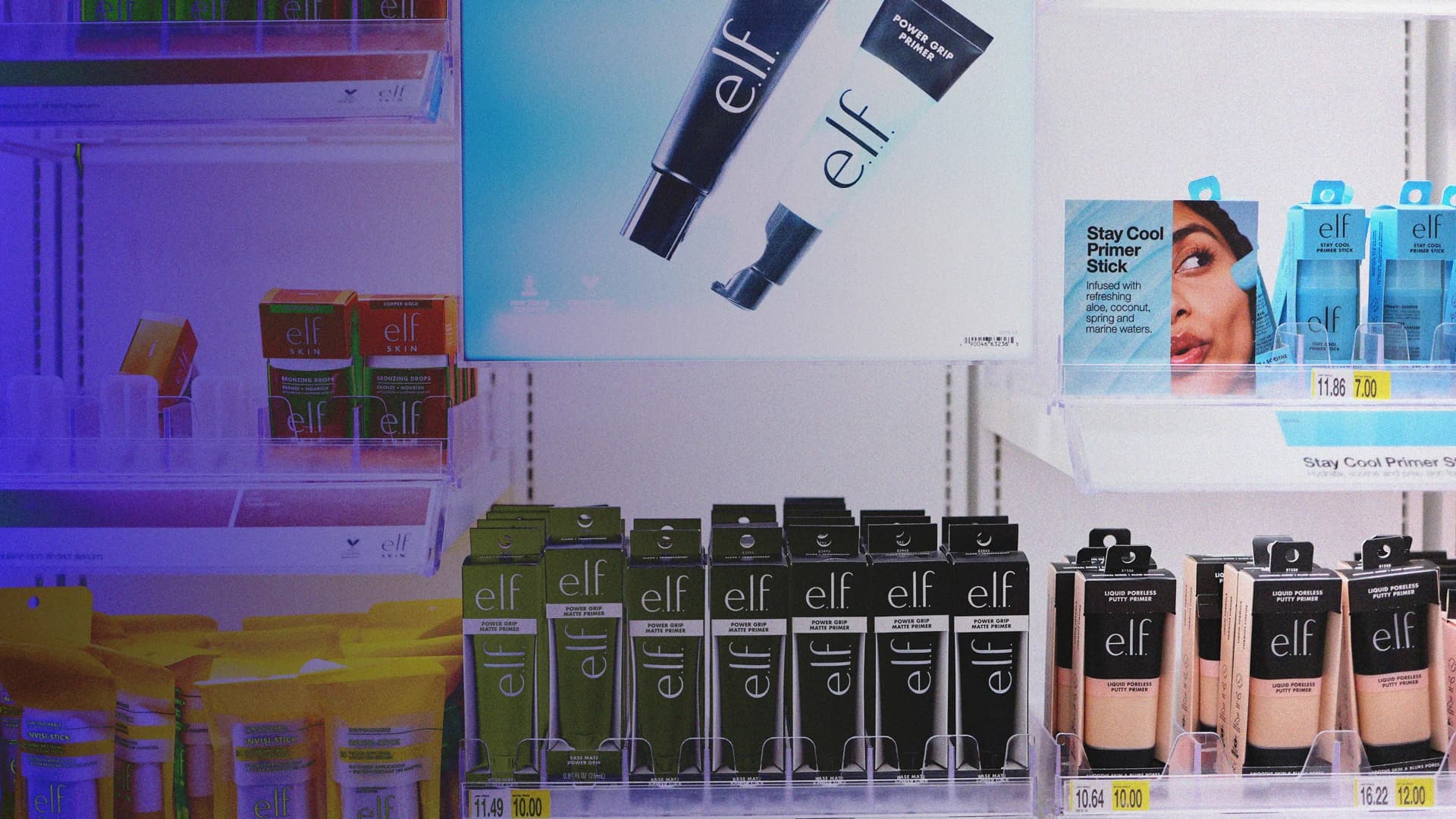
E.l.f. Beauty's recent experience serves as a stark reminder that passing costs directly to consumers can carry significant risks. According to Inc., the beauty brand implemented a $1 price increase across its product line last year in an effort to absorb tariff-related expenses. The move, which seemed strategically sound on paper, has instead resulted in declining sales figures that forced company leadership to reconsider their approach.
For Charlotte's retail community, this case study highlights the delicate balance retailers must strike when managing inflationary pressures. Rather than assuming customers will simply accept higher prices, successful retailers are finding creative alternatives—from operational efficiencies to selective price adjustments on less price-sensitive items. The beauty industry, in particular, operates in a highly competitive market where consumers have abundant alternatives, making pricing decisions especially consequential.
E.l.f. Beauty's decision to reverse course demonstrates the importance of data-driven pricing strategies and customer feedback loops. The company's willingness to acknowledge the misstep and adjust course underscores a broader lesson: today's consumers are more informed and price-conscious than ever, particularly in discretionary spending categories like cosmetics. Local retailers who ignore this reality risk losing market share to competitors who offer better value propositions.
As Charlotte's retail landscape continues to navigate supply chain disruptions and cost pressures, the E.l.f. Beauty situation offers valuable guidance. Successful pricing strategies require careful market analysis, understanding local customer preferences, and maintaining flexibility to pivot when initial assumptions prove incorrect. Retailers who can communicate pricing rationale while demonstrating genuine value will be better positioned to maintain customer loyalty and sales momentum during uncertain economic times.