Photo via Inc.
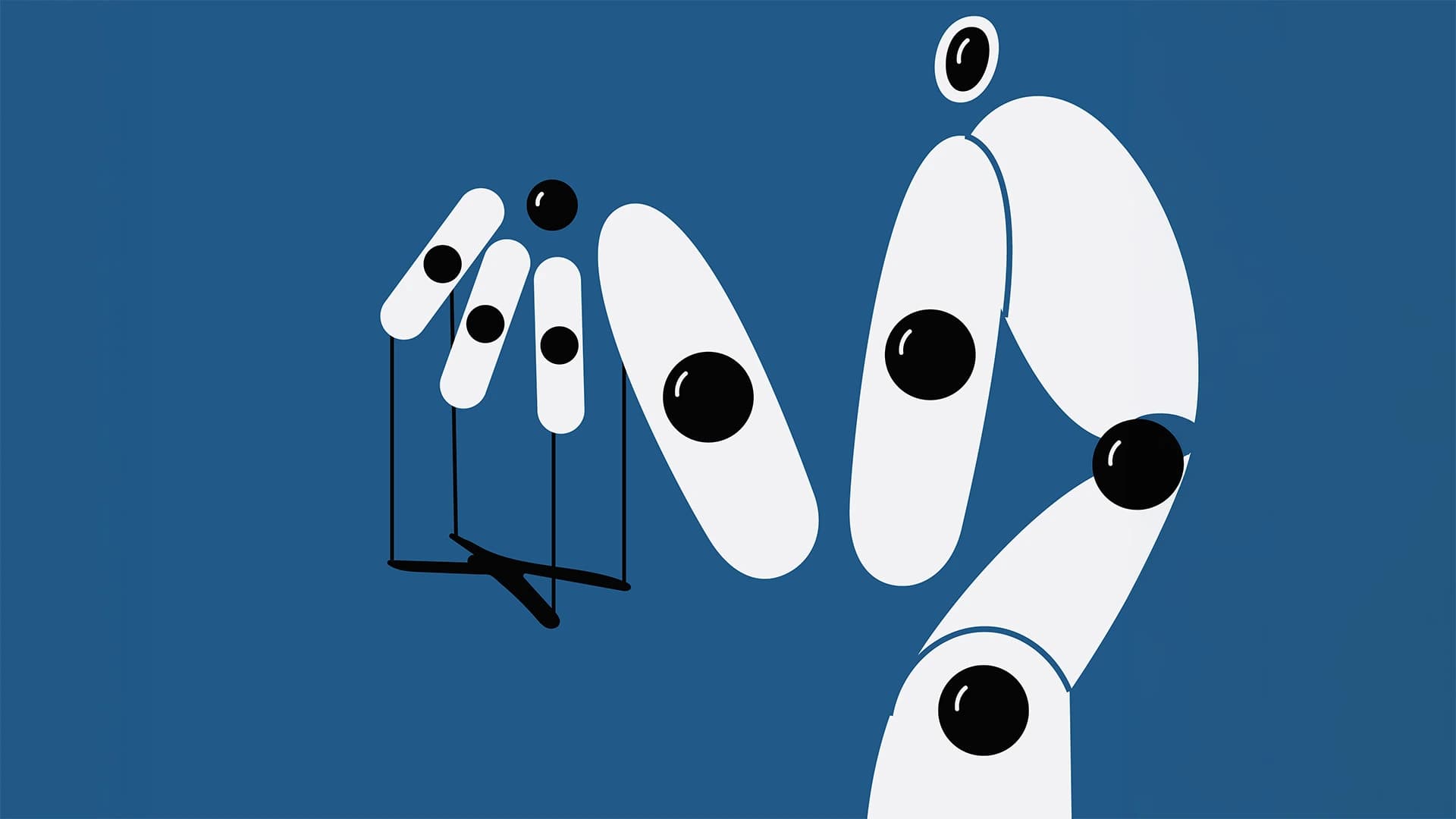
The anxiety surrounding artificial intelligence in the workplace typically centers on one fear: technological unemployment. But according to Inc., a more insidious challenge may be emerging. Rather than wholesale job displacement, organizations risk ceding their decision-making authority and institutional judgment to algorithmic systems that optimize for efficiency over wisdom.
For Charlotte-area business leaders, this shift carries real implications. As local companies across finance, healthcare, logistics, and retail increasingly integrate AI into operations—from customer service to supply chain management—the temptation grows to let these systems define not just how work gets done, but what constitutes good business judgment. When algorithms become the trusted advisor, human perspective and organizational culture can atrophy.
The risk manifests in subtle ways: executives accepting AI recommendations without scrutiny, teams losing the muscle memory of critical analysis, and companies drifting from their stated values because the algorithm doesn't encode them. In competitive markets like Charlotte's growing tech sector, this represents a hidden cost of automation that spreadsheets don't capture.
The path forward requires deliberate guardrails. Business leaders should view AI as a tool that enhances human decision-making rather than replaces it—demanding transparency in algorithmic recommendations, maintaining internal expertise in key domains, and regularly stress-testing whether AI-driven choices align with company values and long-term strategy. The goal isn't to resist technology, but to remain the author of your organization's perspective.