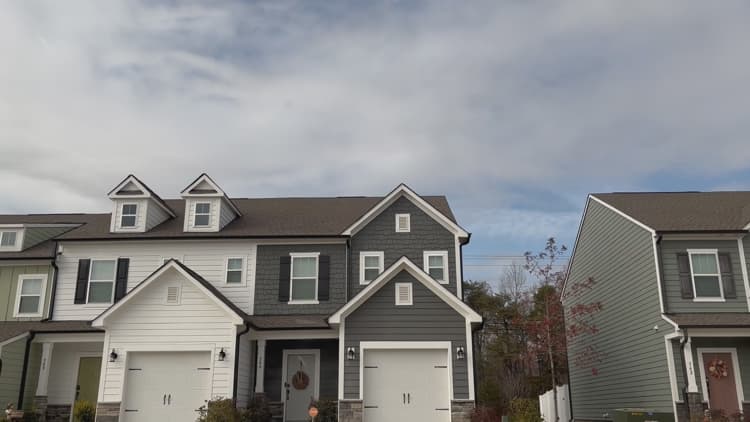
Photo via Inc.
For many Charlotte-area investors, the traditional landlord model—managing tenants, coordinating repairs, and handling vacancies—can quickly transform the promise of 'passive' income into an active, time-consuming business. According to Inc., there are multiple pathways to real estate wealth that bypass these operational headaches entirely, offering opportunities particularly relevant to the region's booming real estate market.
Real estate investment trusts (REITs), crowdfunded real estate platforms, and real estate syndications represent proven alternatives that allow investors to gain property exposure without direct ownership responsibilities. These vehicles provide portfolio diversification and can be especially appealing to Charlotte professionals with limited time to dedicate to property management while still wanting exposure to the region's strong commercial and residential real estate sectors.
The Charlotte market, with its growing population and expanding commercial districts in areas like South End and Uptown, creates compelling opportunities for passive investors seeking real estate returns. Syndications and institutional investment vehicles allow local investors to participate in significant projects without bearing individual landlord obligations.
The key advantage of these alternative approaches is aligning real estate investment strategy with personal capacity and lifestyle. Whether through REITs, crowdfunding platforms, or syndication partnerships, Charlotte business owners and professionals can build meaningful real estate exposure that generates returns without demanding constant hands-on management.