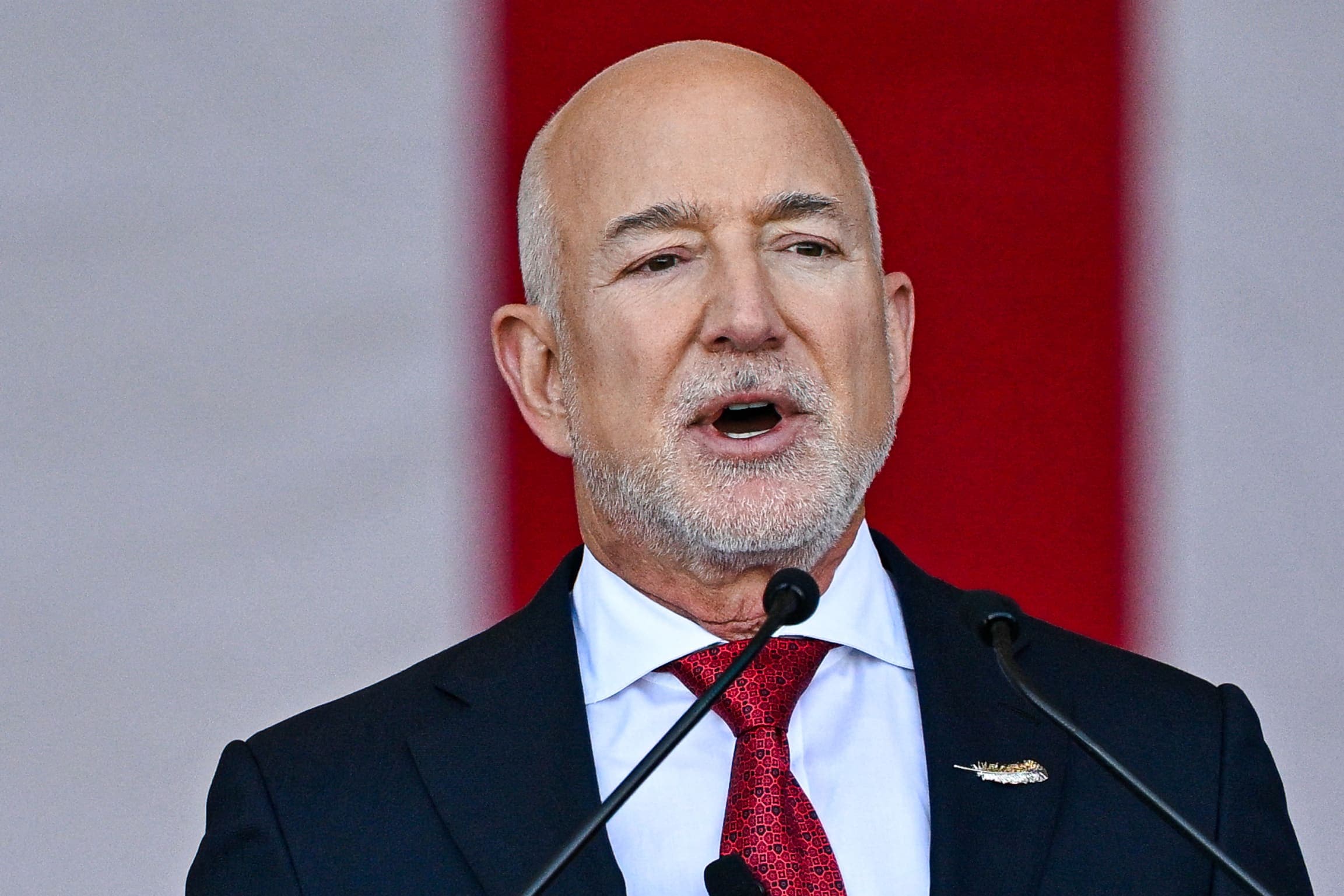
Photo via CNBC Business
According to CNBC Business, Amazon founder Jeff Bezos recently pushed back against claims that the 'buy, borrow, die' strategy is a viable tax avoidance method. The practice has drawn increasing scrutiny from policymakers and tax experts concerned about wealth inequality and federal revenue. Bezos's dismissal of the tactic suggests division within the ultra-wealthy business community over controversial financial practices.
The 'buy, borrow, die' approach works by allowing wealthy investors to borrow against appreciating assets—such as stocks or real estate—and use loan proceeds as income while deferring capital gains taxes. When assets transfer to heirs upon death, the tax basis resets, potentially eliminating accumulated gains from taxation entirely. This strategy has become a focal point in debates over tax reform and economic fairness.
For Charlotte-area business owners and investors, the debate underscores evolving conversations around tax policy at the federal level. As proposed legislation targeting such strategies gains momentum in Washington, local entrepreneurs and real estate developers may face changing regulations affecting how they structure wealth and succession planning. Tax professionals in the region are increasingly fielding questions about the long-term viability of these approaches.
The dispute highlights broader tensions between billionaire entrepreneurs on tax philosophy and wealth management. As lawmakers consider stricter rules on asset-backed borrowing and stepped-up basis provisions, wealthy individuals and their advisors are reassessing financial strategies. Charlotte's growing financial services and investment management sectors will likely play a role in adapting to whatever regulatory changes emerge.