Photo via Newsbreak
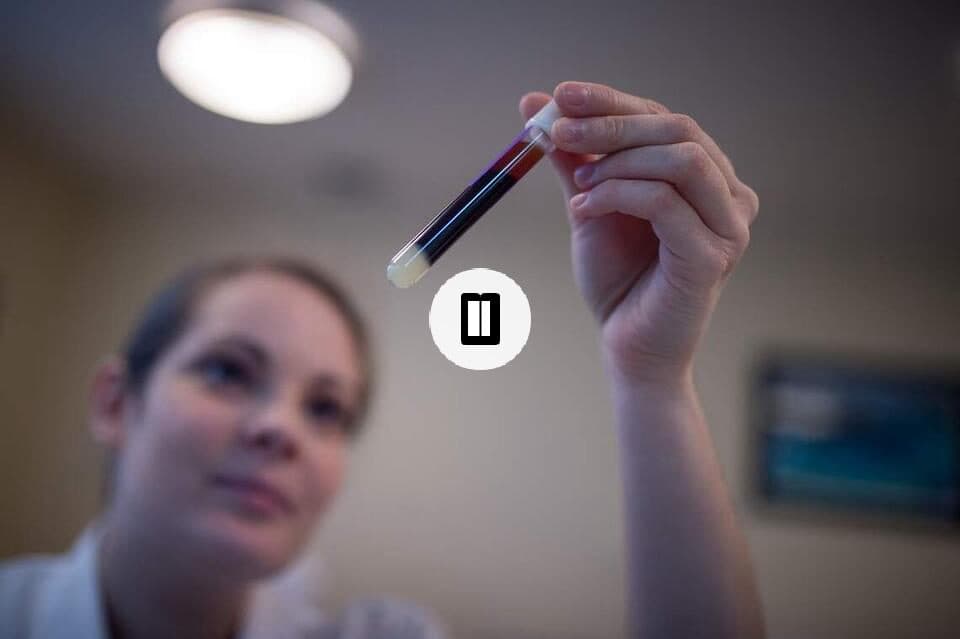
Alzheimer's diagnosis has long been an expensive, time-consuming process for patients and families in the Charlotte region and nationwide. Traditional diagnostic pathways have required costly neuroimaging, invasive spinal procedures, or extended specialist wait times—barriers that have delayed care for many seeking answers about cognitive decline. According to reporting from Newsbreak, a new generation of blood tests is shifting this landscape by offering a non-invasive alternative that could streamline early detection and make screening more accessible to broader populations.
The emerging blood-based biomarkers detect specific proteins associated with Alzheimer's disease progression, potentially identifying cognitive decline before clinical symptoms fully manifest. For Charlotte-area healthcare systems, medical practices, and diagnostic laboratories, these tests represent both opportunity and complexity. The tools promise reduced patient burden and lower costs compared to traditional methods, but clinicians and healthcare leaders must navigate questions about accuracy, standardization, and clinical validity before integrating them into standard care protocols.
As this technology matures, regional healthcare providers, insurers, and patient advocacy groups face important decisions about adoption and implementation. The accuracy and reliability of these blood tests will determine their clinical utility and whether they truly democratize Alzheimer's detection or create new diagnostic gaps. Charlotte's medical and research community, including academic institutions and health systems, will play a key role in evaluating these tools and establishing best practices for their use in patient care.