Photo via Inc.
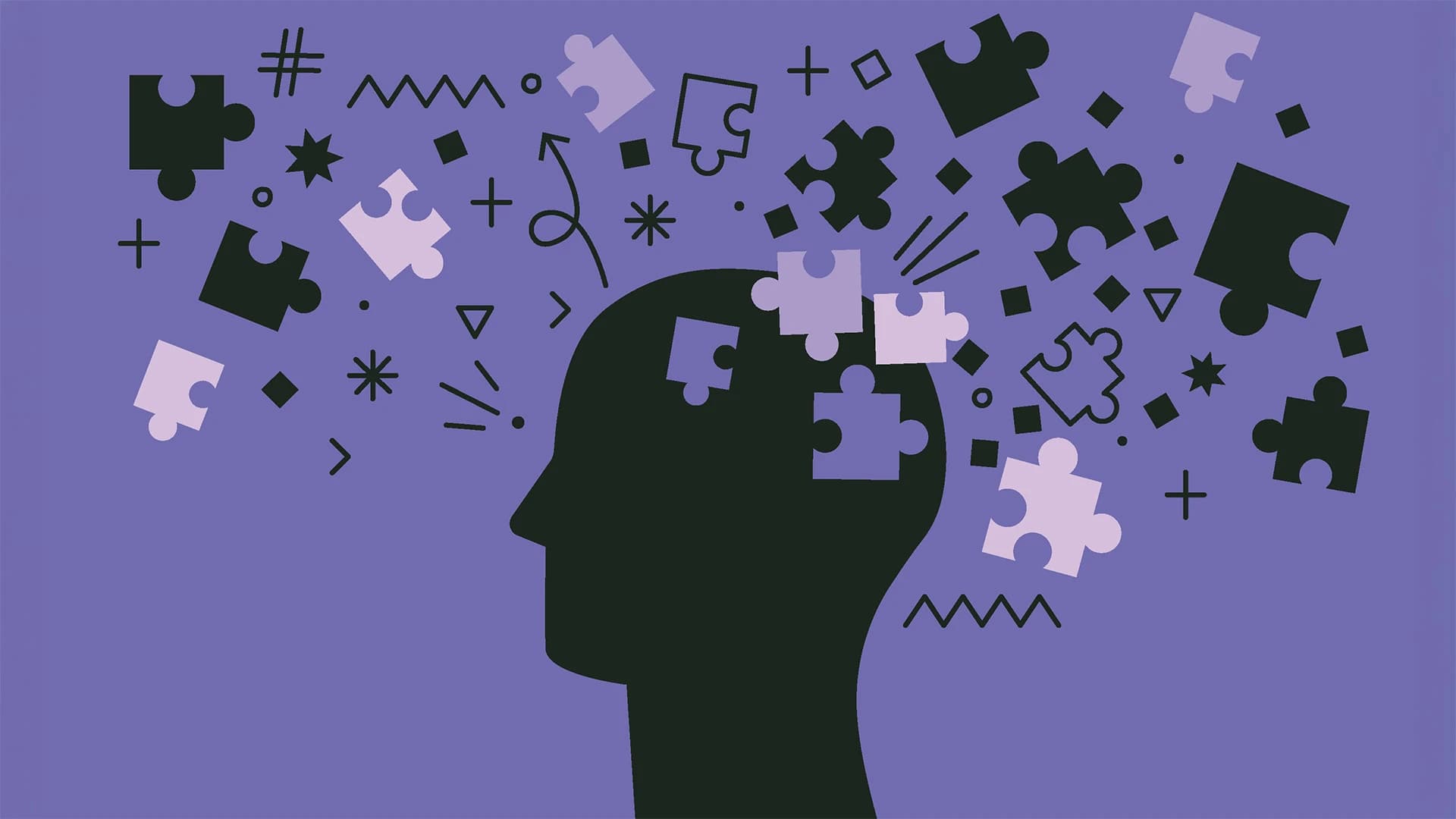
Neuroscientists are uncovering fundamental insights into how the human brain processes information, with implications that could transform how physicians approach cognitive health. According to recent research covered by Inc., brain activity during thinking isn't chaotic or random—instead, the brain relies on organized geometric patterns and wave structures to facilitate thought and memory formation. This discovery opens new avenues for understanding what goes wrong when cognitive function deteriorates.
For Charlotte-area healthcare providers and medical research institutions, these findings represent a potential game-changer in treating age-related cognitive decline and neurodegenerative conditions. As the region's healthcare sector continues to expand with major medical centers and research initiatives, understanding the precise mechanics of brain wave organization could lead to more targeted and effective therapeutic interventions. This knowledge may ultimately benefit the growing population of seniors in the Carolinas seeking cognitive preservation strategies.
The research suggests that by mapping and understanding these specific brain wave patterns, medical professionals may develop new diagnostic tools and treatments that work with the brain's natural organizational architecture rather than against it. Such precision-based approaches align with broader trends in personalized medicine, an area where several Charlotte-based healthcare organizations are investing significant resources and expertise.
As this research moves from laboratory findings toward clinical applications, local healthcare institutions and medical device companies in the Charlotte region should monitor these developments closely. The convergence of neuroscience innovation and medical technology could create opportunities for collaboration, investment, and advancement in how cognitive disorders are managed and treated in the years ahead.