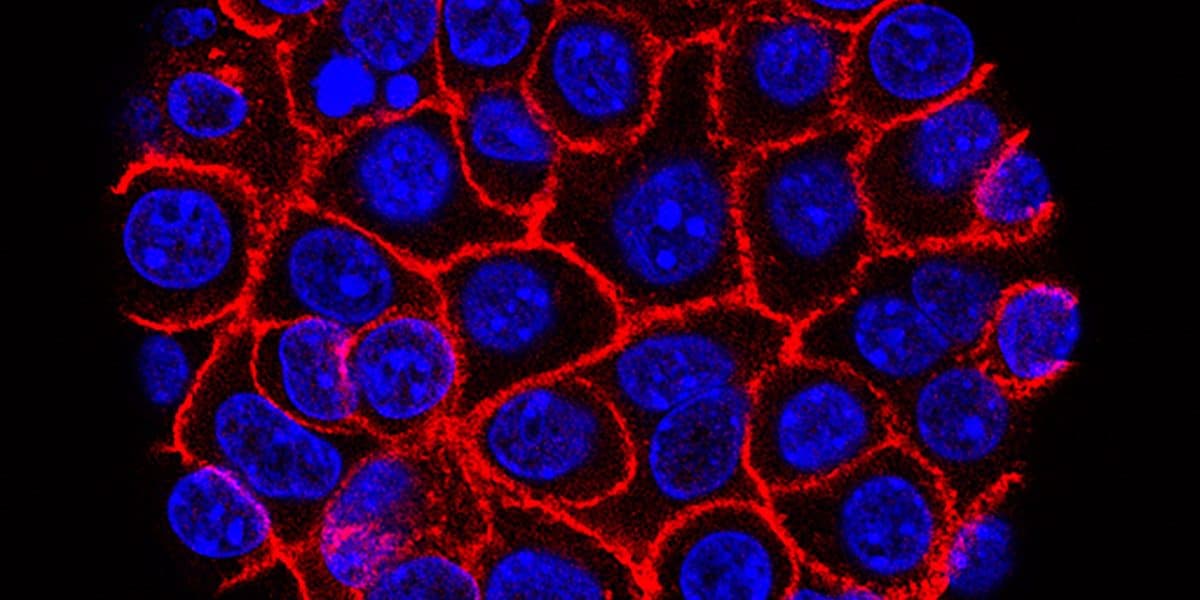
Photo via Fortune
According to Fortune, researchers have developed an experimental medication called daraxonrasib that represents a significant advancement in pancreatic cancer treatment. The drug works by blocking a mutated protein responsible for fueling tumor growth in more than 90% of pancreatic cancer cases—a molecular target that has resisted effective treatment strategies for decades.
The clinical results are noteworthy: patients receiving daraxonrasib demonstrated nearly double the survival time compared to standard treatment approaches. The breakthrough addresses one of oncology's most challenging diseases, with pancreatic cancer historically ranking among the lowest survival rates across major cancer types.
For the North Carolina healthcare and life sciences community, this development underscores the region's growing importance in pharmaceutical innovation. Charlotte's expanding biotech ecosystem, supported by institutions like UNC and Duke, positions local companies and research centers to participate in advancing treatments for difficult-to-treat cancers.
The drug's mechanism—targeting the previously elusive mutated protein—demonstrates how precision medicine continues to reshape cancer treatment. As daraxonrasib moves through regulatory pathways, Charlotte-area healthcare providers and patients may eventually gain access to this option, reflecting the region's connection to cutting-edge medical innovation.