Photo via CNBC
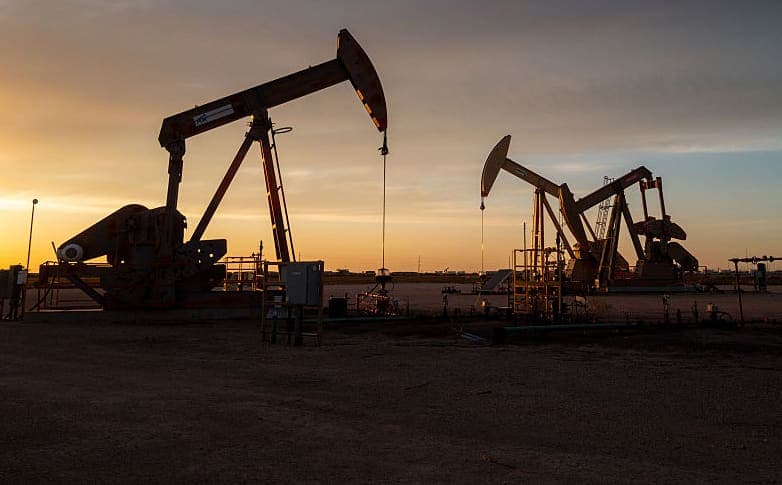
Brent crude oil has breached the $90-per-barrel threshold as geopolitical tensions between the United States and Iran intensify the risk premium in energy markets. According to CNBC, the price surge reflects growing investor anxiety over potential supply disruptions stemming from escalating military activity in the region. Concerns about the stability of one of the world's most critical oil-producing areas have pushed traders to demand higher prices for the commodity.
U.S. military operations have continued for a ninth consecutive night targeting Iranian positions, underscoring the severity of current hostilities. The sustained campaign has heightened fears among market participants that further escalation could disrupt energy flows through key shipping lanes or damage regional infrastructure. This uncertainty has made crude particularly sensitive to any new headlines from the conflict zone.
Energy analysts note that while current supply chains remain intact, the situation remains fluid and could shift rapidly. Oil traders are closely monitoring developments, with prices likely to remain elevated as long as military tensions persist and the potential for broader regional conflict looms over markets.