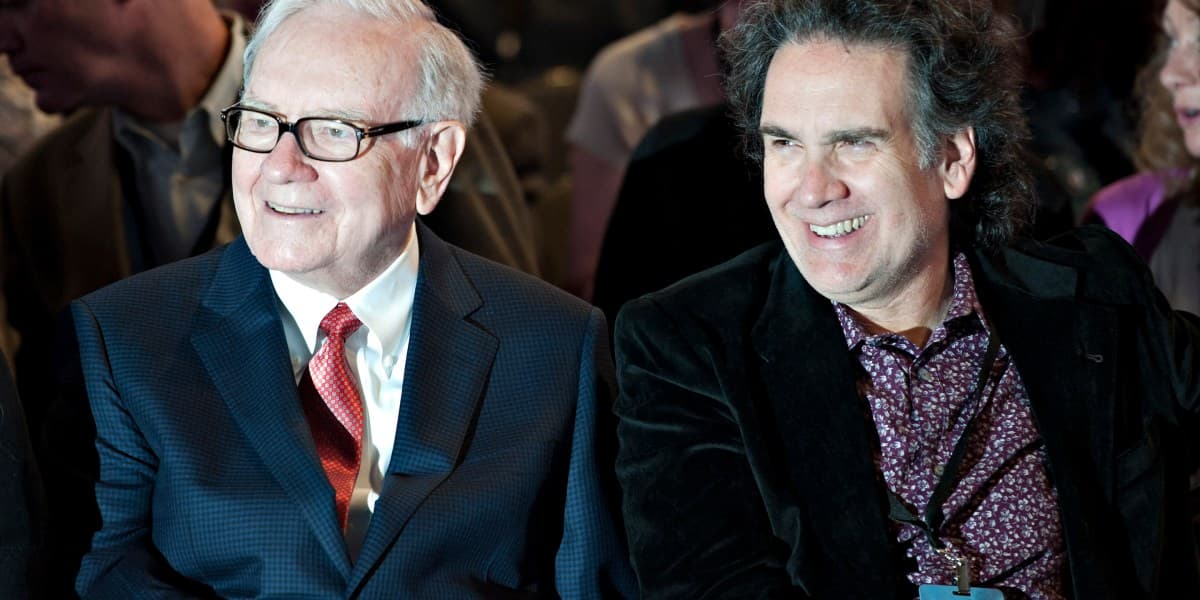
Photo via Fortune
Warren Buffett's approach to parenting stands in stark contrast to many ultra-wealthy families who openly flaunt their fortunes. According to Fortune, Peter Buffett didn't discover his father's billionaire status until his 20s, when he spotted him on a published list of America's richest individuals. The revelation came as a genuine shock not only to Peter but also to his peer group, underscoring how deliberately Buffett shielded his family from the trappings of extreme wealth.
Peter Buffett, now 68, has recounted his reaction with humor, describing his amusement at learning his father's financial prominence through a magazine listing rather than family discussion. This approach reflects a deliberate parenting philosophy that prioritizes normalcy and personal development over material display. For Charlotte-area business leaders and entrepreneurs building generational wealth, Buffett's strategy raises questions about how to raise grounded children in an affluent environment.
The Buffett family's low-key lifestyle has become legendary in business circles. Rather than surrounding his children with obvious signs of wealth, Warren Buffett emphasized work ethic, education, and values over inheritance and privilege. His children pursued their own paths—Peter became a composer and philanthropist—suggesting that this parenting model may have contributed to their independence and sense of purpose.
For Charlotte business families navigating similar questions about wealth, inheritance, and parenting, the Buffett example offers a compelling counterpoint to more ostentatious approaches. The story demonstrates that massive financial success need not define family identity, and that keeping children grounded may yield more fulfilled, driven adults than immediate access to unlimited resources.