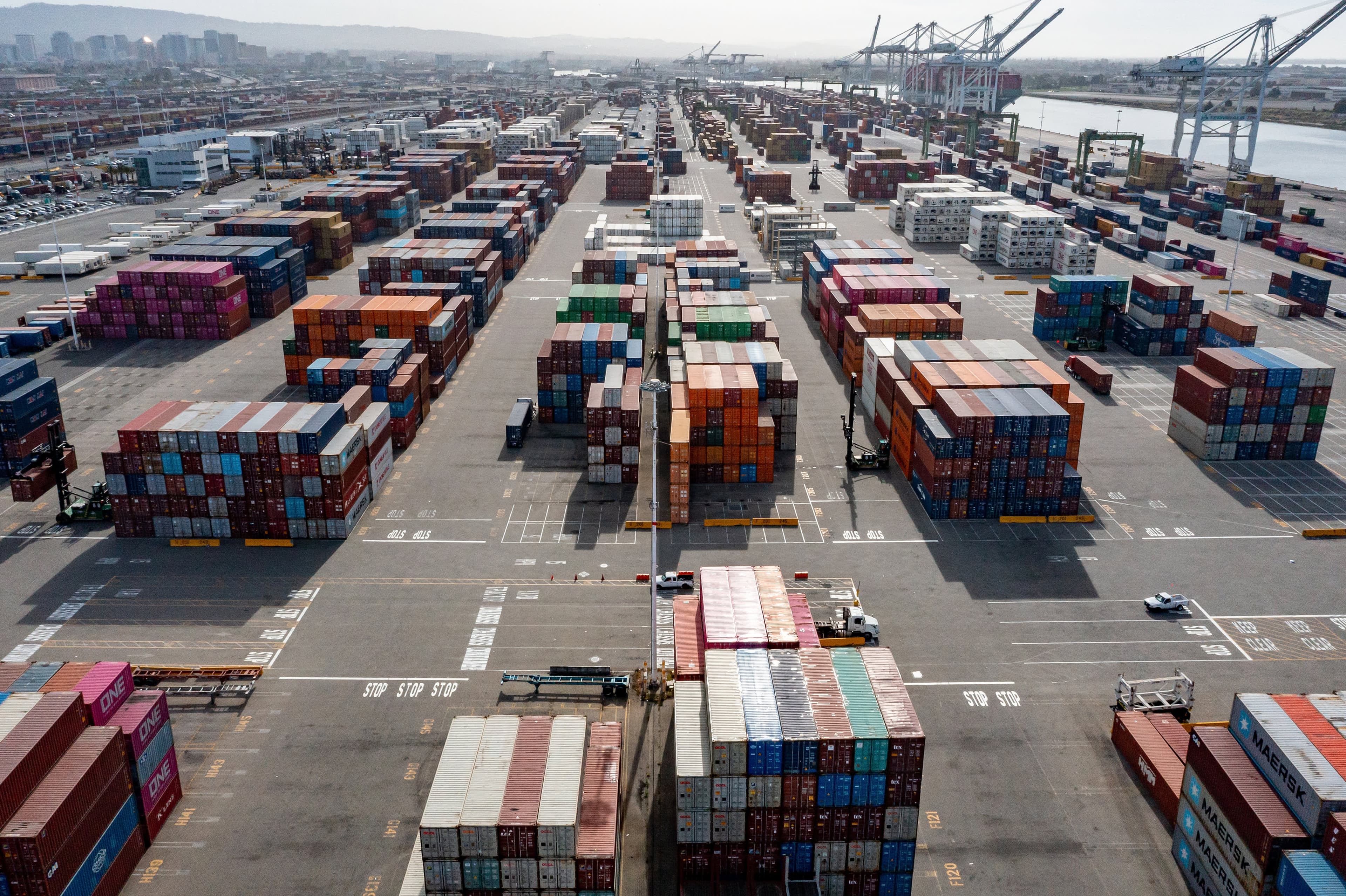
Photo via CNBC Business
Following a significant Supreme Court decision, U.S. companies are now beginning to receive refunds on tariffs that were ruled unconstitutional. According to CNBC Business, this first wave of refunds marks a turning point for enterprises that have absorbed tariff costs over the past several years. For Charlotte-area importers, manufacturers, and retailers dependent on tariffed goods, these refunds could provide meaningful relief to their bottom lines.
The Supreme Court's ruling specifically invalidated certain tariff measures implemented under the previous administration, determining they exceeded constitutional authority. This decision has broad implications for supply chain costs across industries ranging from retail to manufacturing. Local businesses that operate in sectors heavily impacted by tariffs—including textiles, automotive components, and consumer goods—may see substantial financial recovery.
Processing refunds at scale presents logistical challenges for federal agencies and businesses alike. Companies seeking reimbursement must navigate complex documentation requirements and verification processes to claim what they are owed. Charlotte's professional services firms, particularly those specializing in trade compliance and tariff strategy, are likely seeing increased demand as businesses work to maximize their recoveries and understand long-term implications.
Beyond immediate financial relief, the ruling creates uncertainty about future tariff policy and trade negotiations. Business leaders in Charlotte should reassess their supply chain strategies and cost structures in light of this development. Companies that previously shifted suppliers or adjusted pricing due to tariffs may now need to evaluate whether those changes remain optimal, particularly as they plan for 2025 operations and investment decisions.