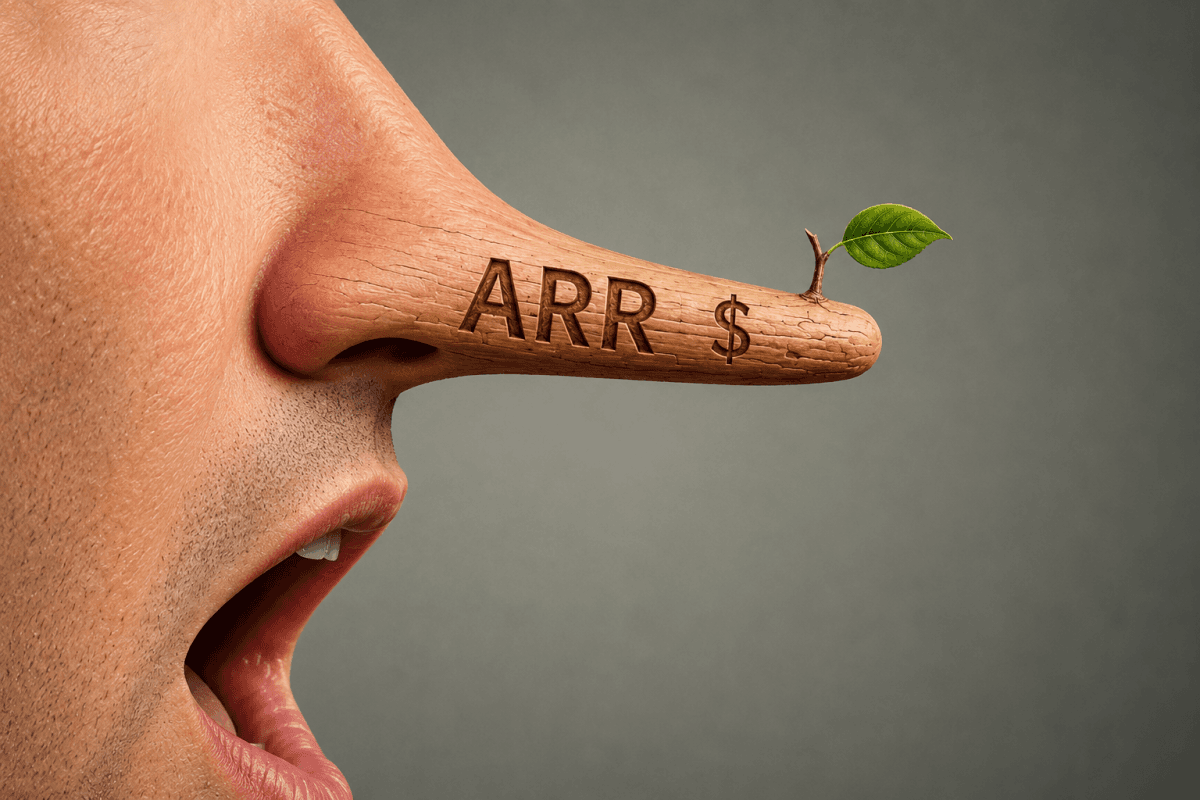
Photo via TechCrunch
According to TechCrunch, a growing number of artificial intelligence startups are presenting inflated revenue numbers to investors and the public, stretching how they calculate annual recurring revenue (ARR)—a key metric used to evaluate startup health and growth potential. The practice raises concerns for venture capitalists and business leaders evaluating which AI companies deserve funding and partnership.
What's particularly noteworthy for Charlotte's investment community is that venture capitalists funding these startups appear to be aware of the accounting flexibility, yet continue to participate in funding rounds regardless. This suggests a broader tolerance—or perhaps acceptance—of looser revenue definitions in the current AI investment climate, potentially skewing valuations across the sector.
For Charlotte-area business leaders and entrepreneurs seeking venture funding or evaluating AI startup partnerships, understanding how ARR is calculated has become critical. Traditional metrics like actual cash collected or committed contracts differ significantly from projected or annualized figures, and the gap between these numbers can mask underlying business weaknesses.
As the AI investment boom continues, local investors and founders should develop more rigorous due diligence practices when evaluating growth claims. Distinguishing between conservative, audited revenue figures and inflated projections could be the difference between backing a sustainable technology company and one built on unrealistic metrics.