Photo via WCNC Charlotte
A recent traffic pattern documented on South Boulevard has raised questions about the legal implications of drivers cutting through commercial properties to avoid red lights. According to WCNC Charlotte's investigation, this behavior—while common in Charlotte intersections—carries potential legal consequences that property owners should understand. The practice creates both safety hazards and liability exposure for businesses whose parking areas become informal shortcuts.
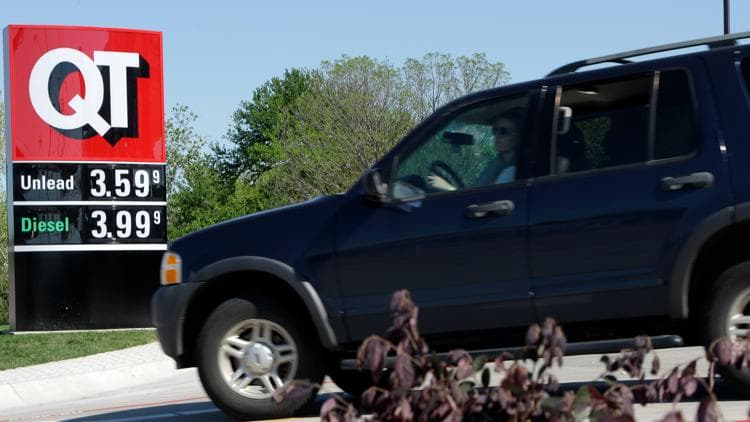
Under North Carolina traffic law, property owners can be held liable when drivers use their premises to bypass traffic control devices. Charlotte-area gas stations, convenience stores, and shopping centers increasingly face this issue as urban congestion grows. Property managers have the right to restrict traffic flow on their premises and can face legal responsibility if inadequate signage or barriers allow dangerous shortcuts that result in accidents or injuries.
For Charlotte business owners, the takeaway is clear: installing proper signage, barriers, and security measures to prevent cut-through traffic is both a legal safeguard and a risk management necessity. Consulting with local legal counsel about property liability and working with the City of Charlotte on traffic solutions can help retailers and service station operators protect themselves while maintaining customer access and community goodwill.