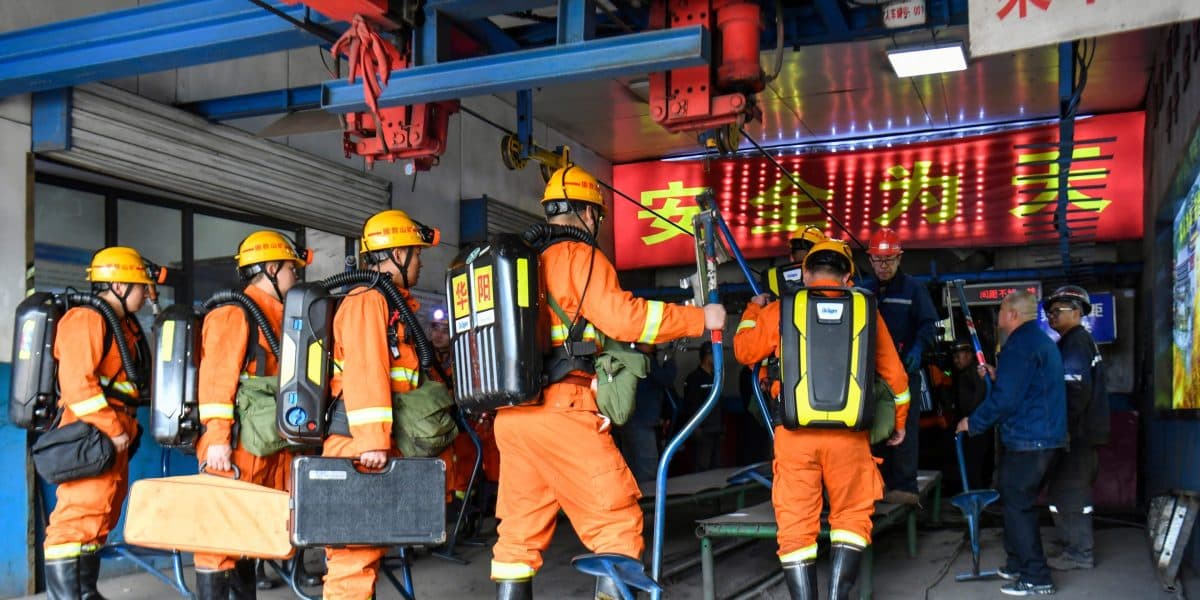
Photo via Fortune
China experienced its deadliest coal mining accident in recent years when an explosion at the Liushenyu mine in Shanxi province killed 82 workers on Friday. According to Fortune, the tragedy underscores a critical breakdown in safety oversight, as the National Mine Safety Administration had previously identified the facility as high-risk due to elevated gas content—a known precursor to underground explosions.
The mine's placement on a high-risk registry in 2024 indicates that Chinese regulators were aware of dangerous conditions at the facility nearly two years before the deadly blast occurred. This gap between hazard identification and preventive action raises serious questions about enforcement mechanisms and accountability within China's mining sector, an industry that employs hundreds of thousands of workers.
For Charlotte-area businesses with supply chain exposure to Chinese energy markets or materials sourced from coal-dependent regions, this incident serves as a reminder of the operational and reputational risks associated with international mining operations. Companies relying on Chinese suppliers should review their due diligence protocols and supplier safety standards.
The disaster also reflects broader concerns about workplace safety standards and regulatory effectiveness in high-risk industries globally. As supply chains become increasingly interconnected, Charlotte business leaders should consider how international safety lapses may impact their operations, insurance costs, and corporate responsibility obligations.