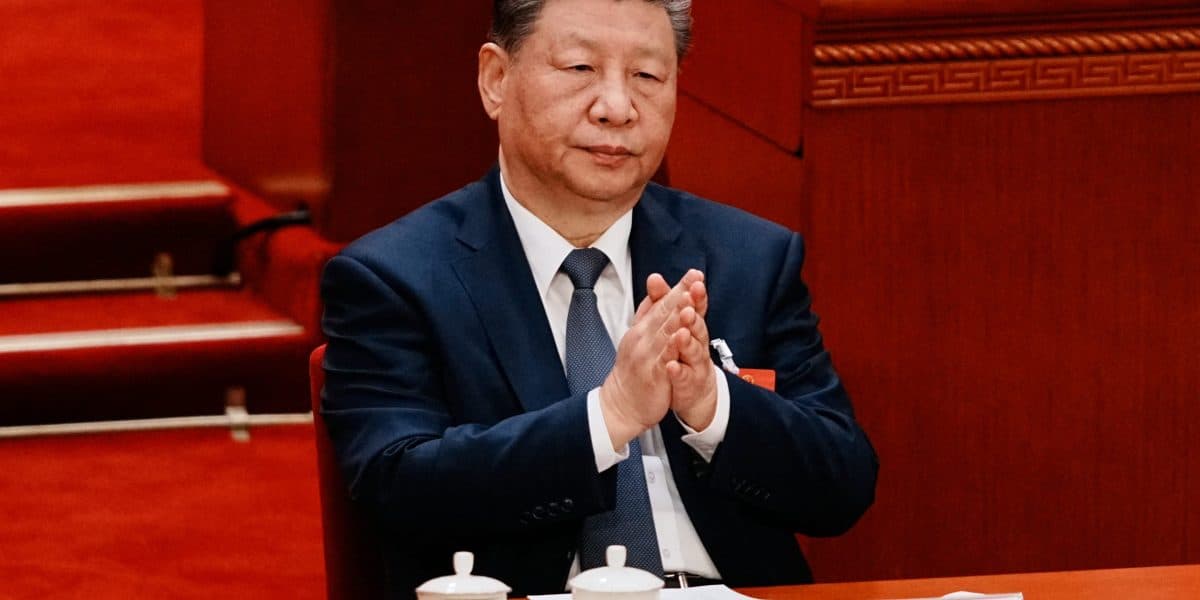
Photo via Fortune
China's debt burden has reached a critical threshold, with combined borrowing across government and private sectors now representing 300% of the country's gross domestic product. According to Fortune, analysts warn this debt load is deteriorating at an alarming pace and represents a far more severe problem than commonly discussed U.S. debt levels. For Charlotte-area businesses with ties to Chinese manufacturing, supply chains, or trade, this economic instability carries direct implications.
The rapid accumulation of debt in China stems from years of aggressive stimulus spending, state-owned enterprise borrowing, and real estate sector expansion. This structural imbalance creates vulnerability in one of the world's largest economies. Charlotte companies engaged in importing, exporting, or maintaining operations in Asia should monitor these developments closely, as economic slowdown in China could affect pricing, delivery timelines, and market access.
Regional manufacturing and logistics firms that depend on Chinese suppliers or markets face particular exposure. The Queen City's growing tech and finance sectors may also experience indirect effects through investment portfolios and international partnerships. Analysts suggest businesses reassess their geographic diversification and supply chain resilience in light of China's deteriorating fiscal position.
While the full impact remains uncertain, Charlotte business leaders should view this as a signal to stress-test international operations and consider hedging strategies. Economic turbulence in China historically influences global markets, making proactive planning essential for companies with material exposure to the region. Consulting with financial advisors on trade risk and currency fluctuations may prove prudent in the coming months.