Photo via Bloomberg Markets
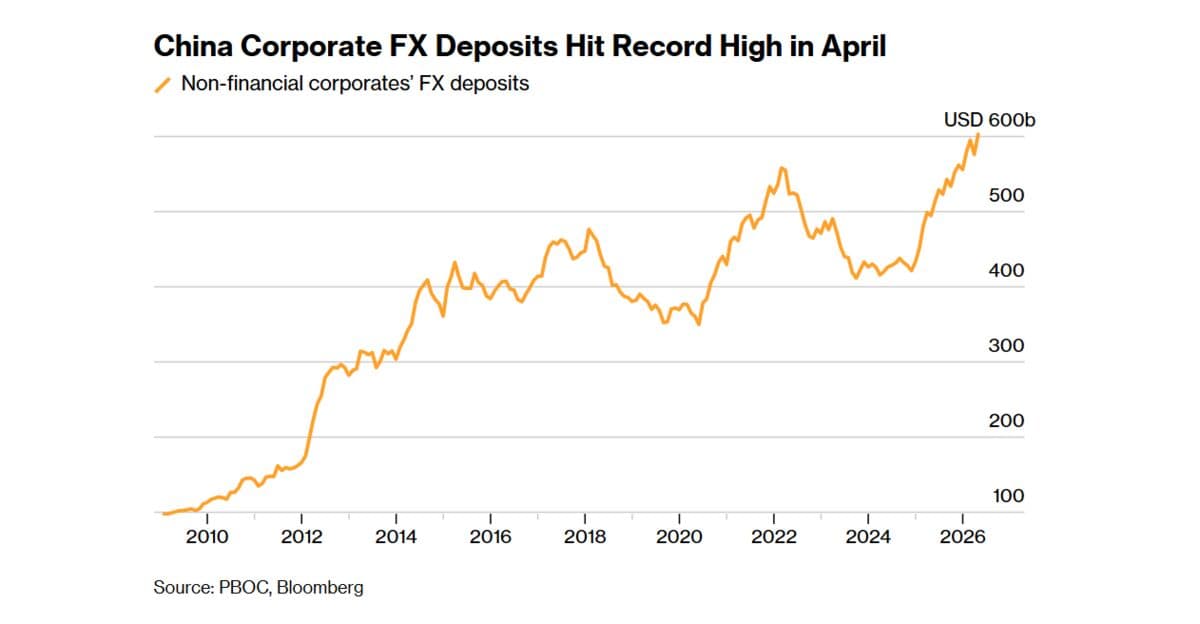
China's regulatory authorities have begun permitting select banks to offer elevated interest rates on corporate US dollar deposits, signaling a subtle but meaningful shift in Beijing's monetary approach. According to Bloomberg Markets, this policy adjustment targets multinational corporations and other entities holding significant dollar reserves, creating financial incentives to maintain their holdings in foreign currency rather than converting to yuan.
The underlying motivation appears strategic: by making dollar deposits more attractive, Chinese policymakers aim to slow the recent momentum of yuan strength. A weaker yuan can benefit China's export-focused manufacturers and reduce capital outflow pressures. For Charlotte-area companies with operations in or trade relationships with China, this development underscores the fluid nature of currency markets and the importance of staying informed about Beijing's policy signals.
The move reflects broader tensions between market forces and government intervention in China's financial system. While yuan appreciation has been driven partly by investor confidence and economic fundamentals, regulators are clearly concerned about rapid currency moves that could disrupt export competitiveness. Charlotte businesses engaged in international trade or currency management should monitor how aggressively Chinese banks implement these higher rates.
Companies with significant exposure to Chinese operations or yuan-denominated cash flows may want to revisit their currency strategy. This policy shift suggests Beijing will continue managing its currency through targeted incentives rather than dramatic interventions, creating both risks and opportunities for firms that depend on stable exchange rates for cross-border transactions.