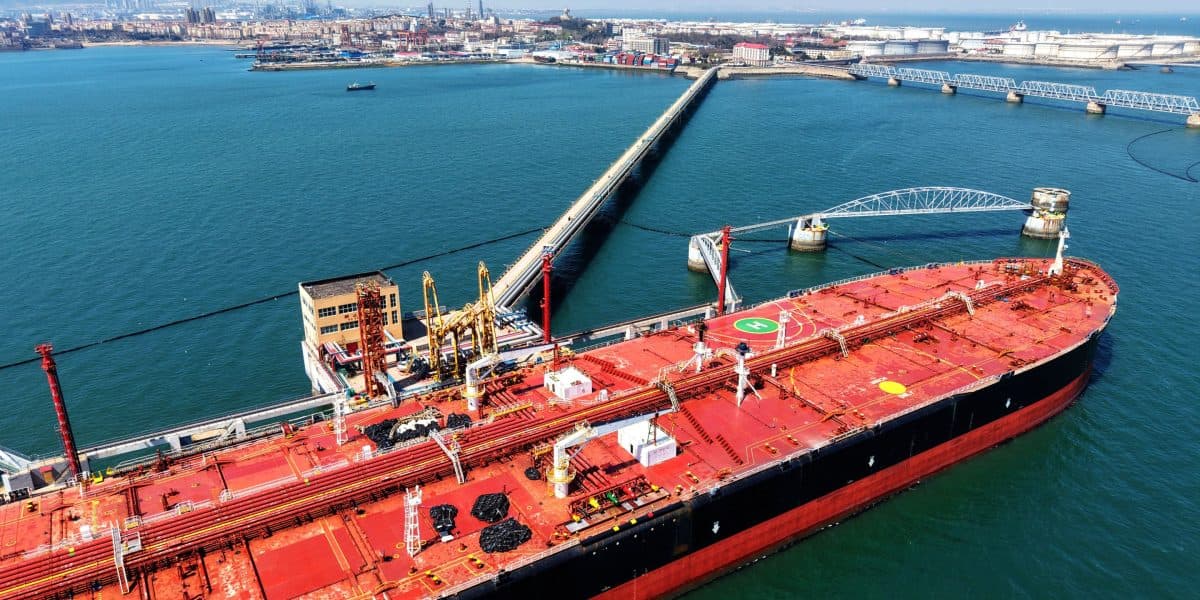
Photo via Fortune
According to Fortune, China has quietly positioned itself as a critical consumer in global oil markets, absorbing supply fluctuations that might otherwise destabilize prices worldwide. This development comes as analysts had previously predicted dire scenarios for energy markets, yet those pessimistic forecasts have largely failed to materialize. The shift highlights how major economies can influence commodity markets in unexpected ways.
For energy companies operating in the Southeast and businesses tied to transportation and logistics in Charlotte, this stability matters significantly. When oil prices remain predictable, companies can better plan capital investments and operational costs. The Carolinas' growing industrial and distribution sectors, which depend heavily on fuel expenses, benefit from reduced volatility in crude prices driven by consistent Chinese demand.
China's role as a swing consumer—purchasing more oil when global supplies tighten and reducing intake when markets soften—resembles functions typically attributed to OPEC nations. This demand flexibility has dampened fears of energy shortages that could have triggered widespread economic disruption. According to the Fortune analysis, Wall Street observers now recognize China's consumption patterns as a market-stabilizing mechanism rather than a source of additional uncertainty.
For Charlotte-area business leaders, the takeaway is clear: geopolitical economic dynamics extend beyond traditional energy producers. Understanding how major trading partners like China influence global commodity markets can inform strategic planning for companies in logistics, manufacturing, and transportation. As energy prices moderate, businesses should capitalize on more predictable operating conditions to invest in growth and efficiency improvements.