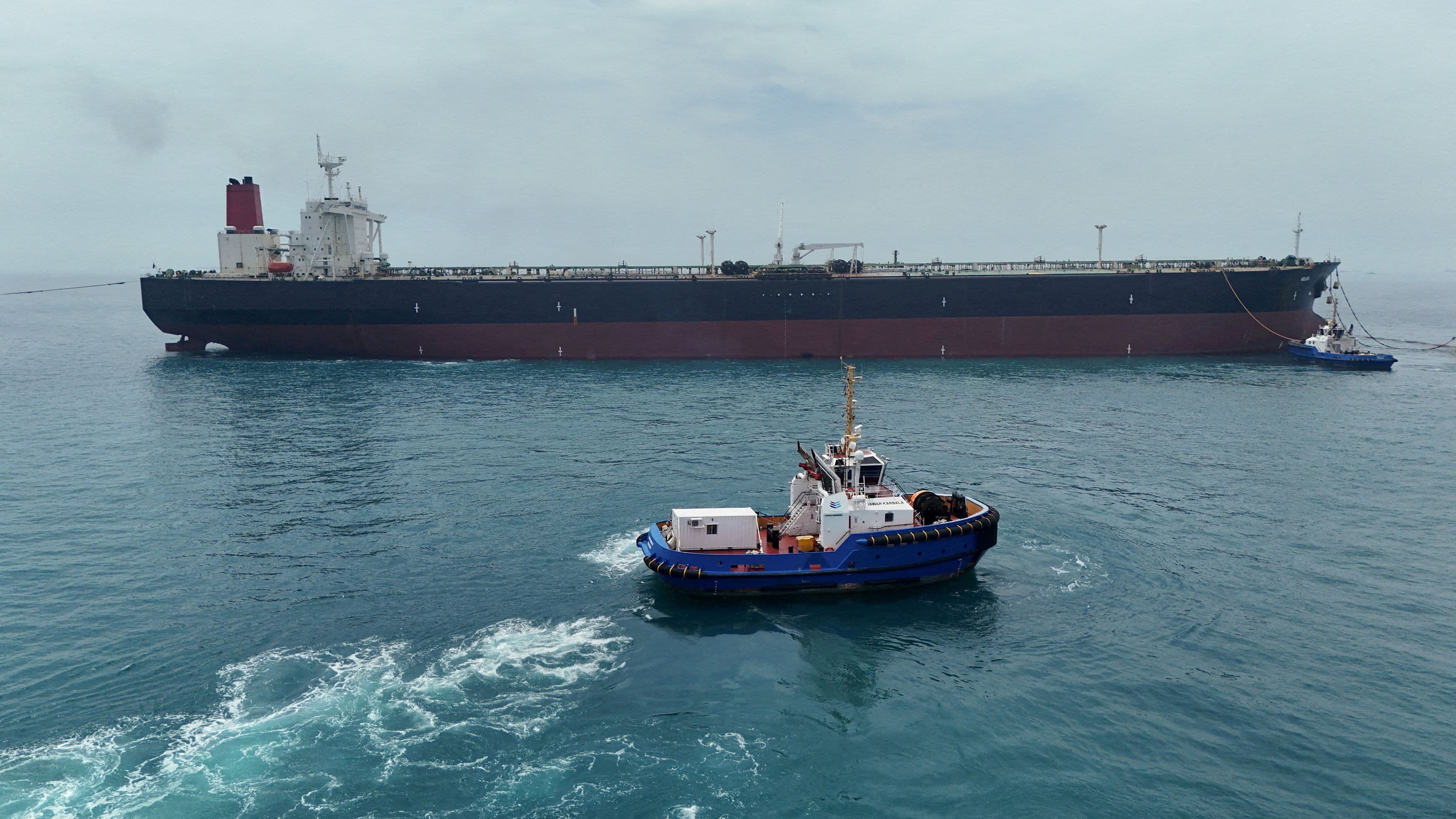
Chinese refiners have largely stepped back from competing for Middle Eastern crude during the recent Iran conflict, redirecting available Gulf cargoes toward European, Indian, and other Asian buyers at a time when traders anticipated supply constraints. This shift comes as China pursues an aggressive inventory reduction strategy, according to the International Energy Agency (IEA), which reports that Chinese refiners drew approximately 41 million barrels from crude stockpiles in June—marking one of the largest monthly depletions on record.
Rather than import fresh barrels to replenish those reserves, Chinese refiners satisfied domestic demand directly from storage facilities, effectively insulating the country from the elevated Middle Eastern crude prices that have gripped global markets. This strategic approach has allowed Beijing to maintain refining operations while avoiding exposure to the supply-driven price pressures affecting other regions.
The divergence between China's inventory management and traditional crude procurement patterns could prove pivotal in determining the trajectory of global oil prices. As Chinese stockpiles normalize and refiners return to more typical import volumes, the competitive dynamics for Middle Eastern crude—and the broader supply-demand equilibrium—may shift substantially, creating new catalysts for the next phase of the oil cycle.