Photo via Inc.
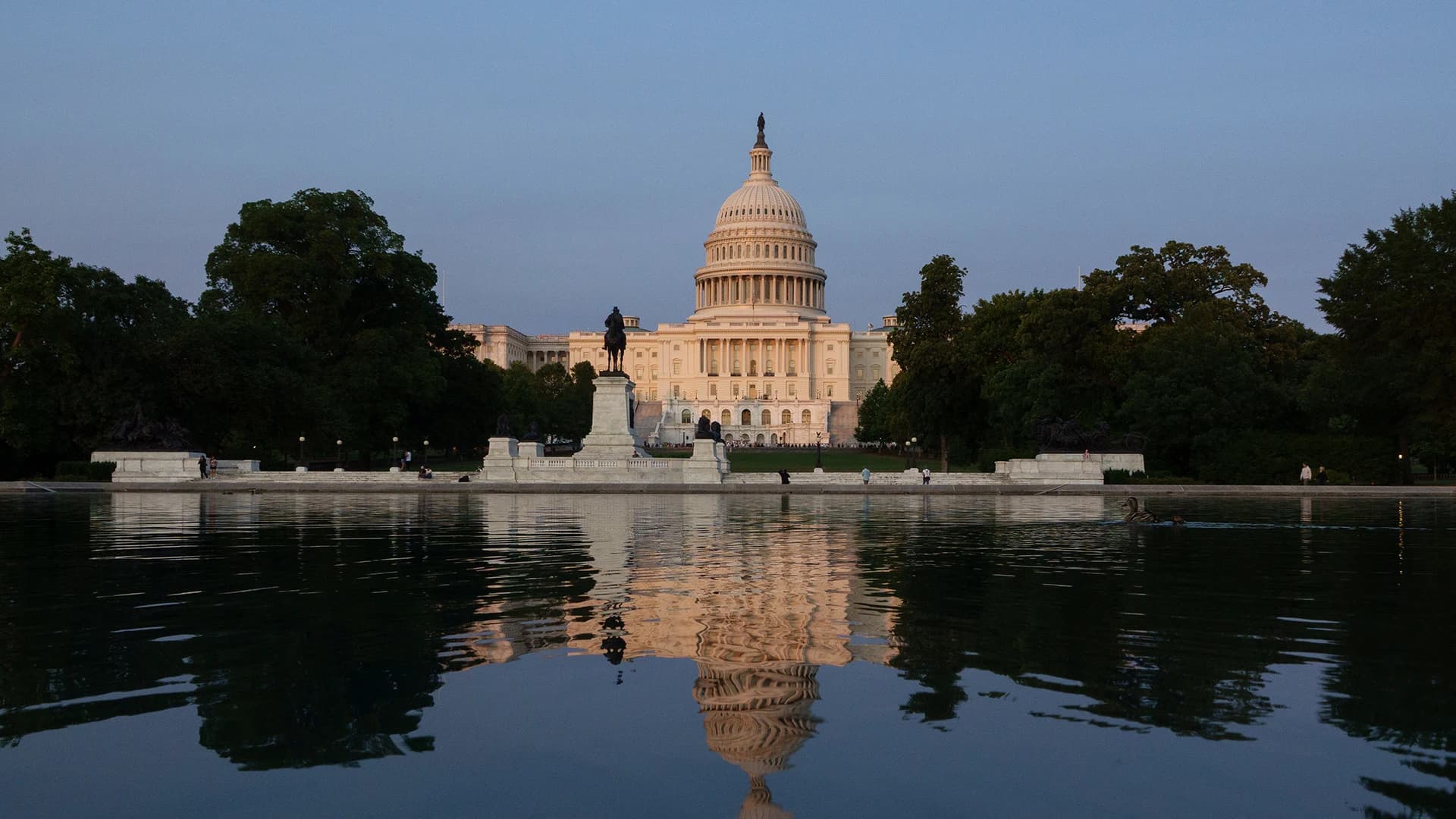
Congress is launching a formal investigation into the troubling disappearance and deaths of over a dozen U.S. scientists specializing in nuclear technology and aerospace engineering, according to reporting from Inc. The inquiry reflects mounting concerns about potential threats to America's scientific workforce and defense capabilities during a period of heightened geopolitical tension.
The investigation underscores the vulnerability of highly specialized talent pools critical to national defense and technological advancement. For Charlotte-area businesses involved in defense contracting, aerospace supply chains, and advanced manufacturing, the findings could influence workforce security protocols and hiring practices as companies work with federal agencies on sensitive projects.
The loss or disappearance of scientists with expertise in nuclear and aerospace fields raises questions about recruitment vulnerabilities, counterintelligence gaps, and talent retention in sectors essential to U.S. competitiveness. These concerns extend beyond federal laboratories to private companies that employ similarly credentialed professionals on government contracts.
As Congress examines what happened to these scientists, regional businesses supporting the defense and technology sectors should anticipate potential regulatory changes, increased background check requirements, and heightened scrutiny of foreign partnerships. Such measures could reshape hiring timelines and operational procedures for Charlotte companies working on classified or sensitive projects.