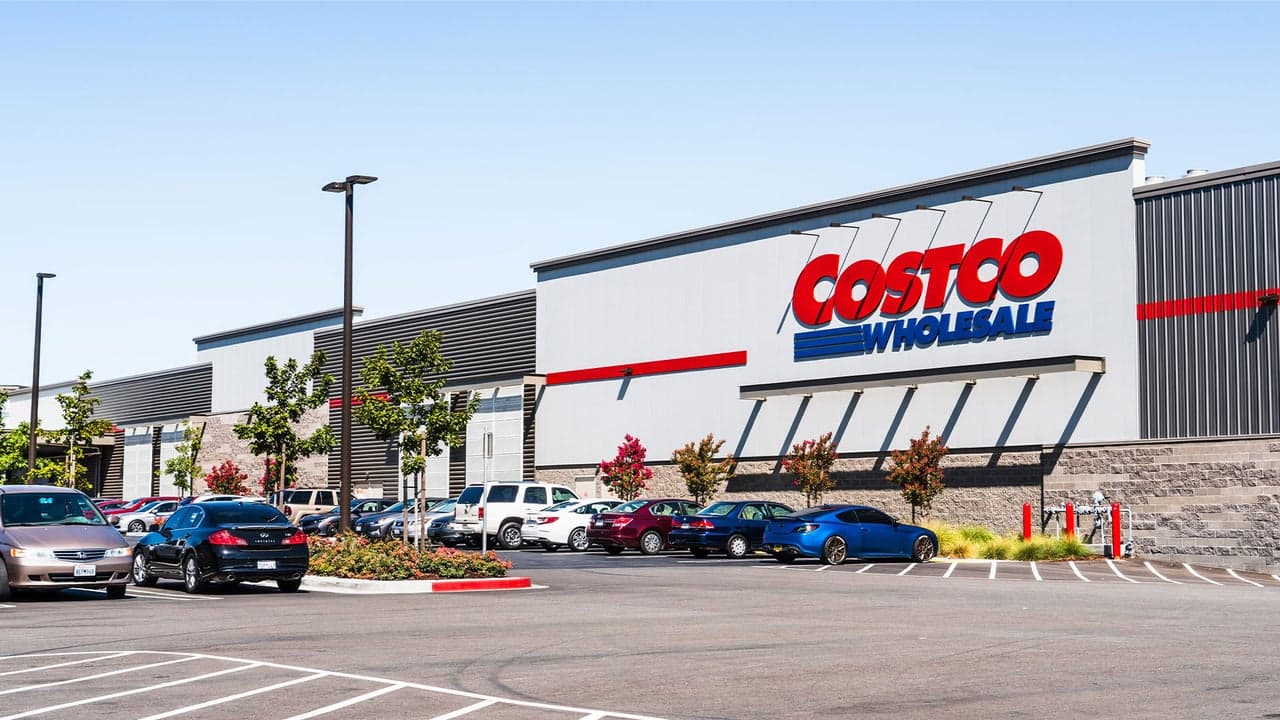
Photo via Fast Company
Costco's latest quarterly earnings reveal a significant shift in consumer behavior as Americans prioritize fuel savings amid rising prices. The warehouse retailer reported record volumes at its gas pumps, with demand so high that additional deliveries were required to maintain stock levels. According to the company's leadership, this surge is attracting both new membership signups and driving existing members to the pumps for the first time, representing a meaningful shift in how customers engage with the retailer.
The appeal lies in Costco's pricing strategy: fuel costs 10 to 30 cents per gallon below market rates, savings that compound substantially when regional gas prices climb. Rather than maximizing profit margins on fuel, Costco uses competitive pricing to drive volume and capture additional warehouse shopping. CEO Ron Vachris noted that customers purchasing gas tend to increase their overall spending on groceries, household goods, and specialty items—a cross-selling dynamic that benefits the entire business model.
Beyond fuel, Costco demonstrated broad-based strength across its operations. Net sales grew 11.6% year-over-year, membership expanded 4.1%, and digital traffic surged 37%, signaling that the retailer's omnichannel approach is resonating with cost-conscious consumers. Growth in pharmacy services, jewelry, home furnishings, and tires suggests customers view Costco as a comprehensive value destination, not just a grocery stop. The company is also investing in operational efficiency through faster checkout processes and pre-scanning technology at busy locations.
For Charlotte-area consumers and businesses, Costco's performance underscores the ongoing impact of inflation and fuel costs on purchasing decisions. The retailer's ability to offer consistent value—maintaining its strategy to be 'the first to lower prices and the last to raise them'—appears to be resonating in a cost-sensitive market. As regional competitors respond to these trends, local retailers should monitor how membership-based discount models and convenience-focused services continue to reshape the retail landscape.