Photo via WCNC Charlotte
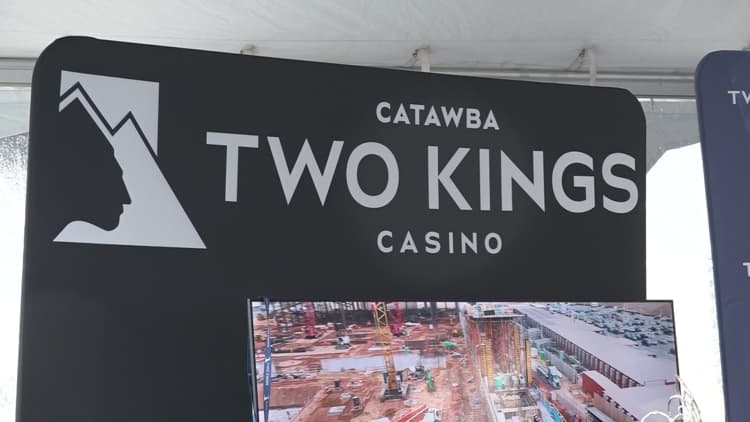
A significant legal question is now before the North Carolina Court of Appeals regarding a dispute between developers and the Catawba Indian Nation over a casino construction project. According to WCNC Charlotte, the court must determine whether the tribe's sovereign immunity status protects it from litigation—a ruling that could have far-reaching consequences for tribal business ventures and development partnerships in the region.
The case centers on the tribe's assertion of sovereign immunity, a legal doctrine that generally shields Native American nations from lawsuits in state courts. If the appeals court upholds this immunity, it would effectively prevent the developers from pursuing their claims against the Catawba Nation, even if those claims have substantial merit. This distinction matters significantly for Charlotte-area stakeholders evaluating partnerships or investments involving tribal entities.
The casino development proposal has drawn attention from regional business leaders and investors who track major commercial real estate and hospitality projects in the Carolinas. The outcome of this court decision will likely influence how future development deals between private developers and tribal governments are structured and litigated in North Carolina.
The appellate court's ruling will clarify the legal framework governing tribal business operations and developer rights in disputes with Native American nations. For Charlotte's business community, this precedent could shape how commercial contracts and liability protections are negotiated with tribal entities pursuing major development initiatives in the region.