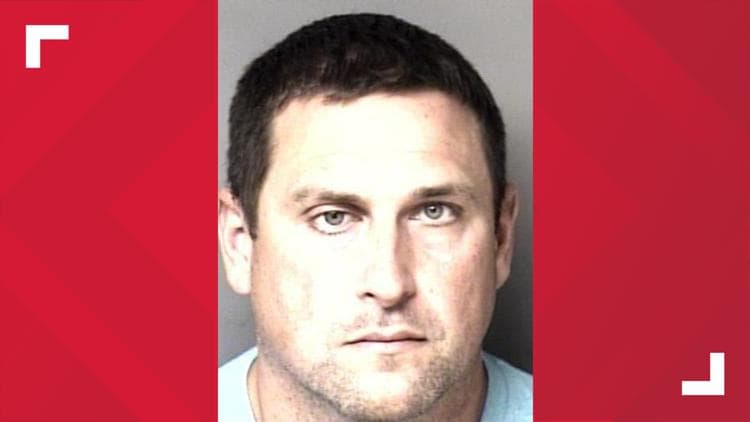
Photo via WCNC Charlotte
The release of Willie Granford, 73, on parole after serving time for a 1977 murder conviction in Rowan County has reignited discussions about North Carolina's criminal justice system and parole decision-making processes. According to WCNC Charlotte, Granford was convicted in connection with the fatal shooting of Wade Overcash, a case that remained part of the region's institutional memory for nearly five decades. The parole decision underscores ongoing tensions between rehabilitation goals and public safety concerns within the state's corrections framework.
For Charlotte-area business leaders and community stakeholders, criminal justice outcomes affect workforce development, public safety perceptions, and regional stability. Companies operating across the Piedmont region, including those in Rowan County and surrounding areas, rely on safe communities to attract talent and maintain operational confidence. Questions about parole eligibility and victim impact considerations have become increasingly relevant to business communities invested in long-term regional growth and employee wellbeing.
The case serves as a reminder that criminal justice policy extends beyond the courthouse into broader community and economic considerations. As Charlotte and the surrounding Carolinas continue to grow, transparency in parole decisions and engagement with affected communities remain critical to maintaining public trust in both the legal system and the institutions that support regional development.