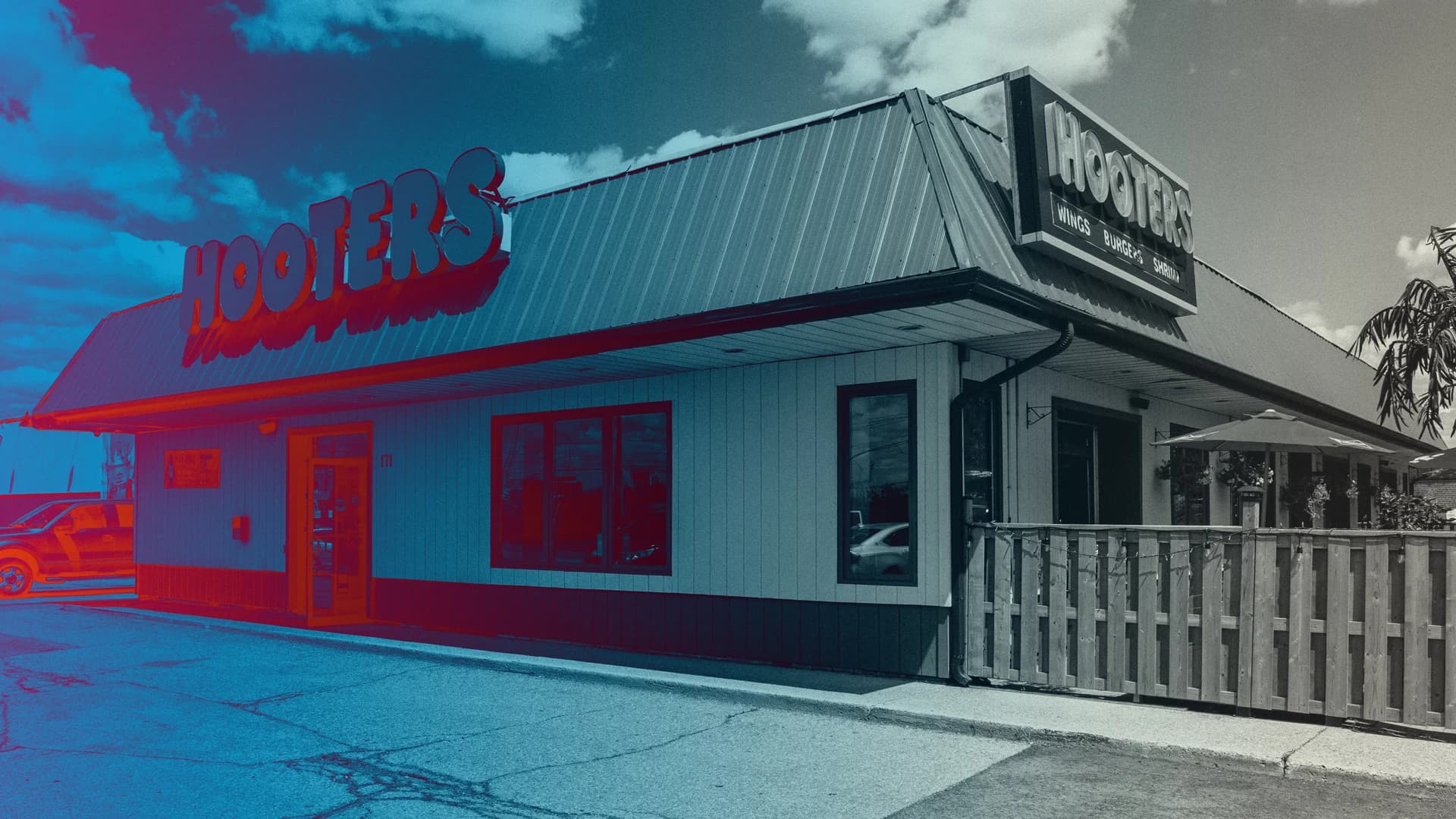
Photo via Inc.
According to Inc., Hooters' struggle in the modern marketplace offers valuable lessons for Charlotte-area entrepreneurs and established business leaders alike. Rather than a simple story of changing consumer preferences, the restaurant chain's decline reflects a fundamental misalignment between its brand identity and contemporary cultural values. For local business owners, this case study underscores the importance of regularly reassessing whether your company's positioning remains relevant to your target market and the broader community you serve.
The core issue centers on a single, often-overlooked vulnerability that can threaten any brand: the failure to evolve while maintaining your essential identity. Charlotte's competitive retail and hospitality sectors have increasingly demonstrated that businesses must be intentional about addressing cultural conversations, rather than hoping they'll pass. Leaders who ignore shifting social norms risk appearing tone-deaf or irrelevant to younger customers and potential employees who increasingly factor values into their purchasing and career decisions.
For Charlotte-based restaurant owners, retailers, and service providers, the Hooters example illustrates why brand audits should be part of regular business planning. This means examining not just what your company does, but how your messaging, imagery, and workplace culture align with both your stated values and your customers' expectations. The mistake isn't necessarily in having a distinctive brand—it's in failing to thoughtfully navigate the gap between your original concept and current market realities.
Founders and executives navigating these "cultural land mines" should establish internal processes for monitoring brand perception, soliciting diverse stakeholder feedback, and making deliberate choices about evolution. Charlotte's growing business community benefits when leaders proactively address these questions rather than waiting for public criticism to force a reactive response. The lesson: successful brands aren't static, but their evolution should be intentional, transparent, and grounded in genuine values rather than perceived necessity.