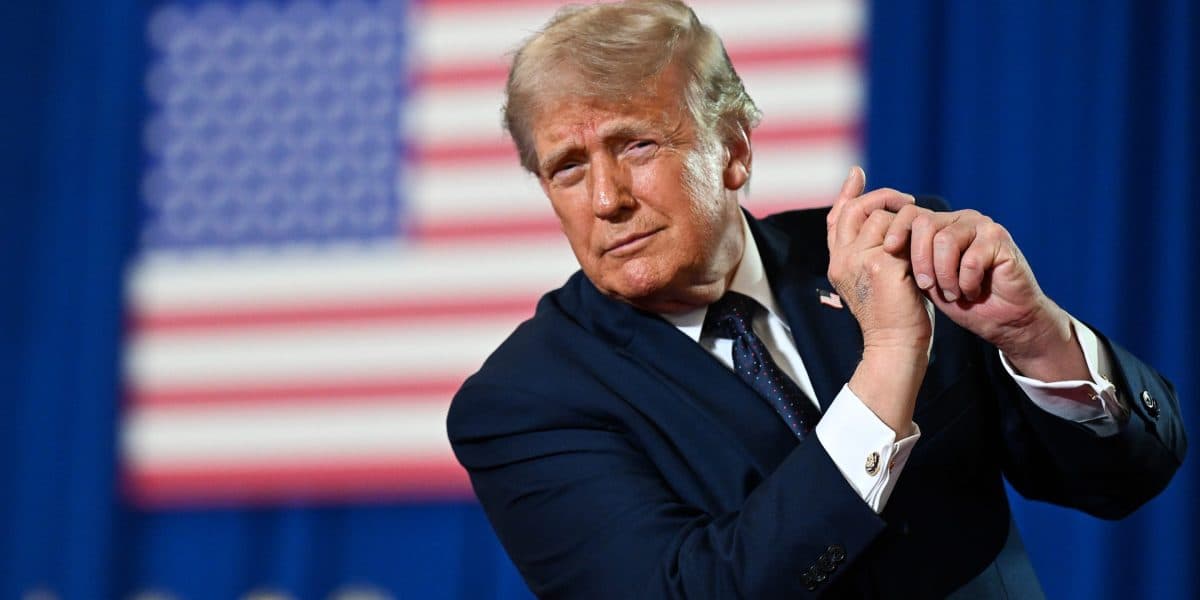
Photo via Fortune
A detailed examination of former President Donald Trump's investment activity reveals a complex trading operation that extends far beyond simple stock picking. According to Fortune, Trump's portfolio generated more than 3,700 trades, suggesting a multi-layered approach to wealth management that likely combines several distinct investment philosophies operating simultaneously.
The trading patterns suggest the involvement of automated systems and index-based strategies rather than hands-on decision-making. This type of passive management approach has become increasingly popular among high-net-worth individuals and institutional investors alike, offering diversification benefits and reducing the burden of constant market monitoring. For Charlotte-area wealth managers and financial advisors, such patterns underscore the growing reliance on algorithmic trading and systematic portfolio rebalancing.
What makes Trump's trading activity particularly noteworthy is the difficulty in isolating which decisions stem from specific investment strategies versus routine automated transactions. According to the Fortune analysis, these overlapping approaches create a complex web that even experienced investors find challenging to parse. This complexity mirrors challenges that many sophisticated investors face when managing large, diversified portfolios across multiple asset classes and time horizons.
The takeaway for Charlotte business professionals and investors is that large portfolios often operate according to programmed rules rather than individual strategic calls. Understanding these underlying mechanics—index tracking, automated rebalancing, and systematic portfolio management—can help local investors better evaluate their own investment strategies and work more effectively with financial advisors to align their holdings with long-term goals.