Photo via Fast Company
Brandon Tseng, cofounder and president of San Diego-based Shield AI, has built a $13 billion company around a premise that once seemed radical: autonomous military systems powered by artificial intelligence. According to a recent Fast Company interview, Tseng's vision emerged from his experience as a Navy SEAL who recognized how robotic systems could gather intelligence while keeping personnel safer. What began as a contrarian idea in 2015—when defense technology was largely dismissed by Silicon Valley investors—has become an unstoppable momentum in global defense capabilities.
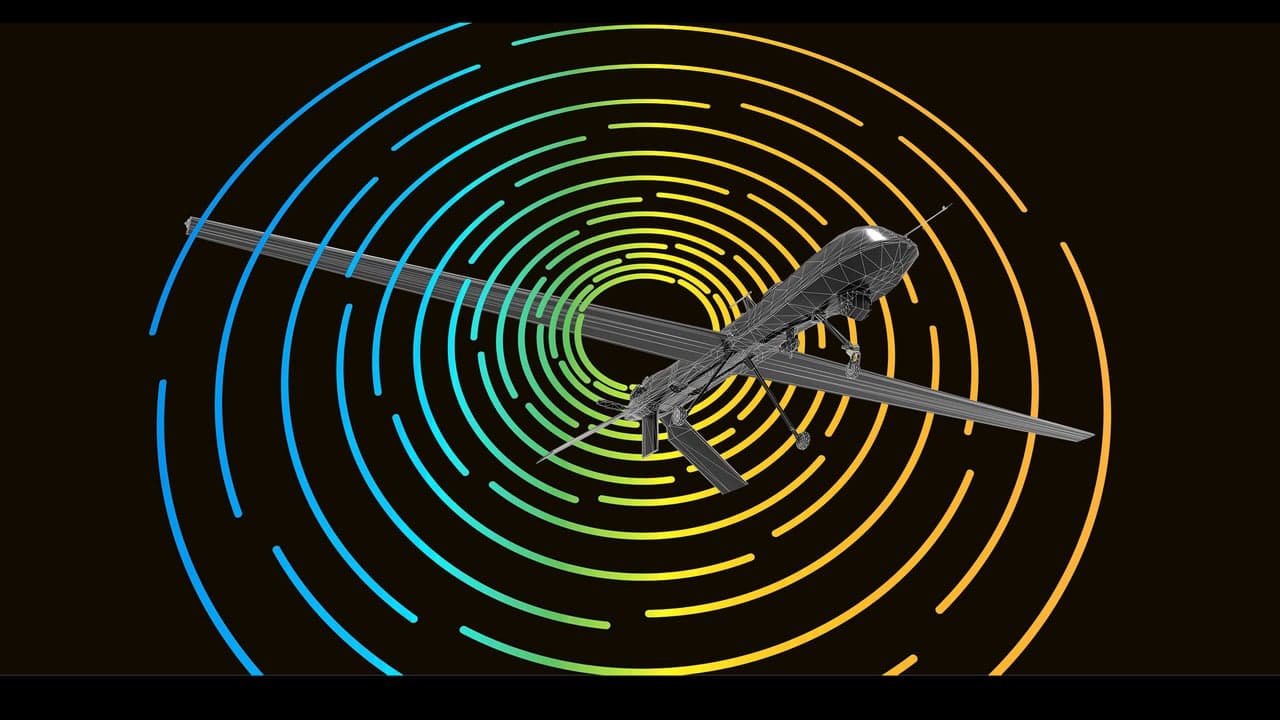
Shield AI's core product, Hivemind software, enables drones and vehicles to operate without human control or GPS guidance. The technology is now deployed in active conflict zones, including Ukraine and Gaza, raising complex questions about the ethics of autonomous warfare. Tseng argues that by partnering with U.S. allies rather than allowing authoritarian regimes to develop similar capabilities, Shield AI serves a geopolitical purpose. However, the company's real-world deployment underscores ongoing debates about accountability and oversight that extend beyond defense circles into broader AI governance discussions relevant to Charlotte's growing tech ecosystem.
When pressed about monitoring whether his technology is used for morally justifiable missions, Tseng emphasizes his trust in U.S. military protocols and State Department oversight. He contends that the military exercises extraordinary restraint, canceling operations 25 times more often than executing them due to collateral damage concerns. Yet this reliance on institutional safeguards rather than technological restrictions highlights the ongoing tension between advancing capability and ensuring responsible deployment—a balance that entrepreneurs and enterprises across industries must navigate.
Tseng draws direct parallels between military discipline and entrepreneurial success, describing Shield AI's culture as built on professional excellence, unwavering focus, and resilience. Interestingly, he reports experiencing greater stress over investor capital than combat operations, suggesting that building transformative companies demands a different kind of courage. For Charlotte business leaders, his journey illustrates how mission-driven founders from unconventional backgrounds can reshape industries—and how values forged in high-stakes environments translate into organizational culture.