Photo via Inc.
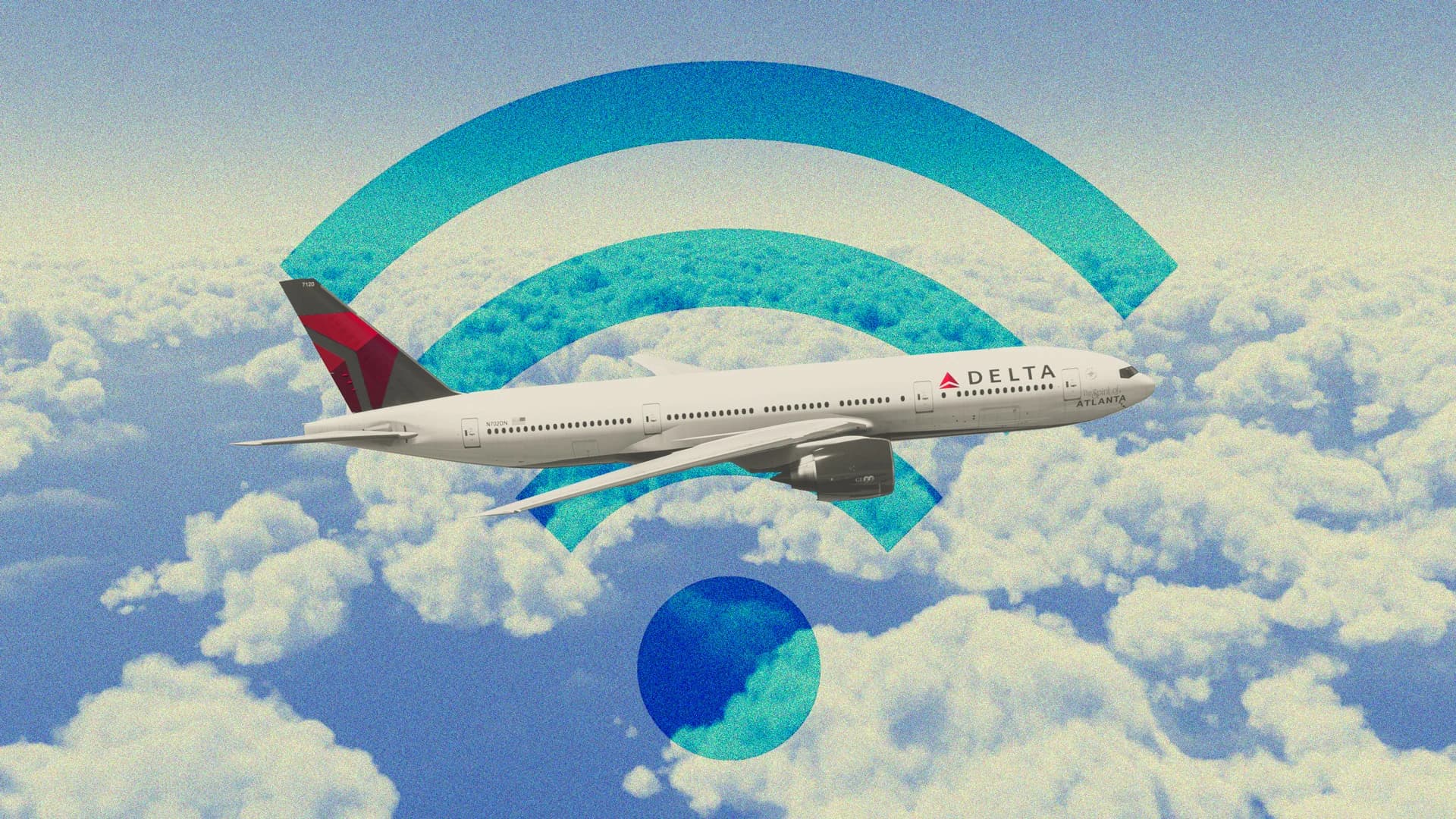
Delta Air Lines' partnership with Amazon Web Services represents a strategic business decision that makes financial sense on paper but leaves passengers with fewer options than competitors. According to reporting on the deal, the airline chose Amazon's connectivity solution over alternative providers that could have delivered superior in-flight internet speeds and reliability. For Charlotte-based business travelers who depend on consistent connectivity during flights—especially those connecting through Charlotte Douglas International Airport—the choice underscores how corporate partnerships sometimes prioritize balance sheet metrics over end-user experience.
The airline industry's approach to inflight Wi-Fi has become increasingly important as remote work and digital nomadism reshape business travel expectations. When carriers select technology partners based primarily on cost efficiency or existing corporate relationships rather than performance capabilities, passengers bear the consequences. Delta's decision signals that the airline values the financial benefits of the Amazon relationship more heavily than investing in the best available technology for its customer base.
For Charlotte-area businesses sending employees on frequent flights, connectivity quality directly impacts productivity and work continuity. A partnership optimized for Amazon's business interests rather than passenger needs could translate into frustration for regional executives and employees who rely on seamless in-flight work capabilities. This decision illustrates a broader corporate trend where convenience and innovation take a backseat to partnership economics.
As airlines compete for premium business travelers, decisions like Delta's may have long-term consequences for customer loyalty and market positioning. Companies evaluating airline partnerships for employee travel programs should consider whether Delta's connectivity infrastructure meets their workforce's operational needs, or whether competing carriers offering superior in-flight technology might better serve their business objectives.