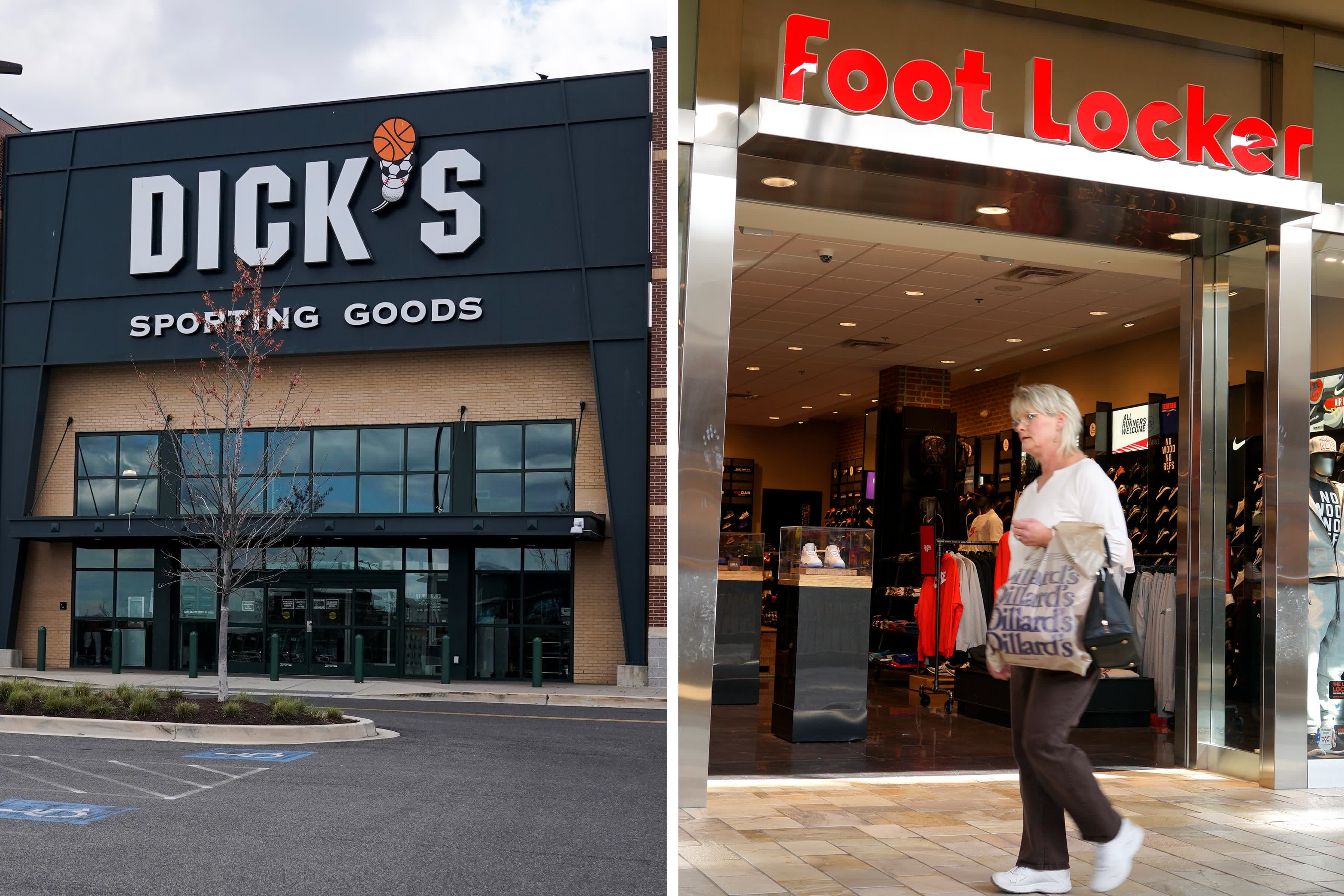
Photo via CNBC Business
Dick's Sporting Goods achieved a significant milestone by returning Foot Locker to growth following its acquisition, but the turnaround effort has come at a steep cost to the parent company's bottom line. According to CNBC Business, while the combined entity saw top-line revenue gains, profitability metrics have deteriorated as Dick's invests heavily in restructuring the iconic athletic footwear retailer. This dynamic illustrates a common retail challenge: balancing growth ambitions with near-term financial performance.
The Foot Locker integration represents one of the most significant retail consolidation moves in recent memory, combining two legacy brands with distinct store footprints and customer bases. For Charlotte-area business leaders, this deal underscores broader trends in retail consolidation, where larger players acquire distressed competitors to achieve scale and market reach. The transaction reflects how national retailers are repositioning themselves in an increasingly digital marketplace.
Dick's management must now navigate the delicate balance between investing in Foot Locker's operational transformation—including technology upgrades, inventory optimization, and brand revitalization—and meeting investor expectations for near-term earnings growth. The elevated costs associated with this turnaround have weighed on overall company profitability, though leadership appears committed to the long-term value creation potential of the combined entity.
For investors and stakeholders in the Southeast retail sector, this situation demonstrates the complexity of major acquisitions in today's retail environment. Success will depend on Dick's ability to extract meaningful synergies, improve Foot Locker's store economics, and leverage its larger infrastructure to drive efficiency. The outcome of this integration will likely influence other retail consolidation strategies across the region.