Photo via Fast Company
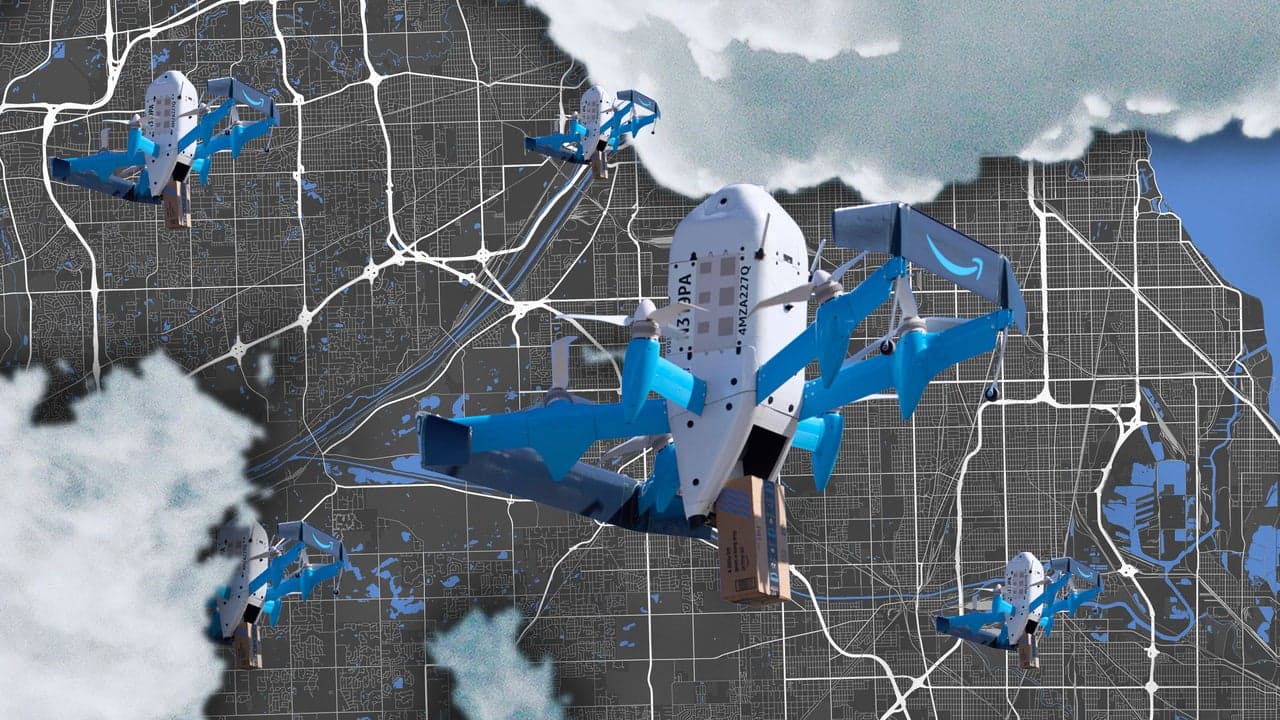
Amazon's aggressive expansion of its Prime Air drone delivery program signals a major shift in last-mile logistics, with CEO Andy Jassy recently announcing plans to deliver 500 million packages annually via drone within the decade. According to Fast Company, the company is currently operating trials in eight U.S. cities with four more planned, including Chicago's south suburbs where tests are expected this spring or summer. For logistics professionals and supply chain leaders across the Southeast corridor, including Charlotte, this evolution represents both opportunity and operational complexity as multiple drone vendors prepare to share urban and suburban airspace.
The technology itself is FAA-approved and capable: Amazon's MK30 drones weigh 80–85 pounds, operate autonomously using AI systems, and can deliver 5-pound payloads at speeds up to 73 mph from altitudes reaching 400 feet. However, the source material highlights documented incidents including a 2026 Amazon drone crash in Texas and a 2025 collision with a construction crane that hospitalized a worker. These accidents underscore the physical risks of autonomous aircraft operating in populated areas—particularly concerning as density increases and multiple drone operators share the same low-altitude corridors.
Beyond individual safety incidents lies a systemic challenge: the lack of adequate air traffic management infrastructure and public accountability mechanisms. According to the Fast Company analysis, Amazon's community engagement and incident reporting procedures remain opaque, with no clear protocols for citizens to report malfunctioning drones or safety concerns. The FAA's Advanced Aviation Technologies office has provided minimal public information despite a 2023 mandate to ensure communities understand how drone operations will affect them—a gap that frustrates transparency and public trust.
For Charlotte-area businesses in logistics, supply chain, and distribution, this national trend demands attention. The Midwest trials will generate valuable data on operational viability and real-world challenges that will inform expansion timelines for the Southeast. Industry leaders should monitor regulatory developments, consider how drone delivery might integrate with existing networks, and engage with local and state authorities on safety standards before the technology saturates regional airspace.